
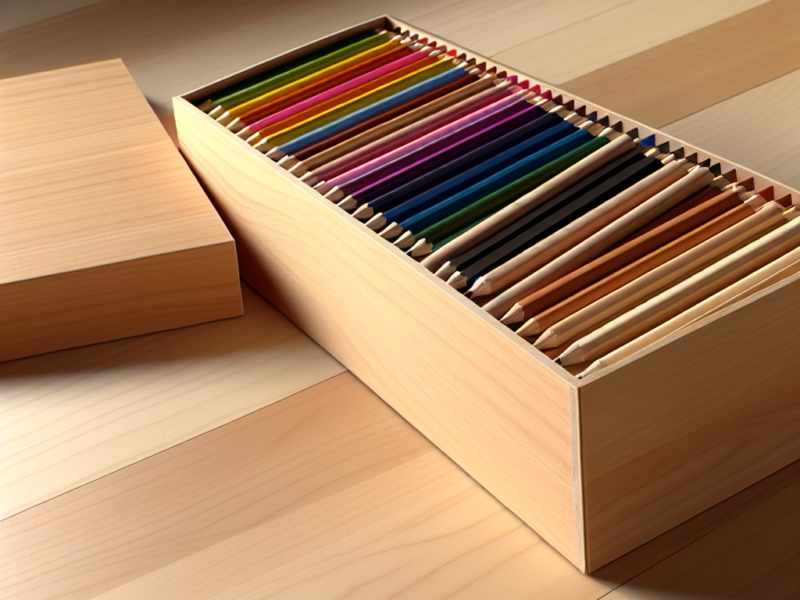
1. It All Starts with the Wood
The journey of a colored pencil begins with its outer shell—the wooden casing. High-quality colored pencils typically use incense cedar, a softwood prized for its straight grain, softness, and ability to be sharpened smoothly without splintering. According to Luuk Minkman’s detailed breakdown, cedar is not only durable but also provides a consistent feel in the hand, making it a favorite among premium pencil manufacturers.
Wood is usually sourced from sustainably managed forests. Once harvested, it’s cut into rectangular slats approximately 7mm thick. These slats are dried, treated, and sanded to ensure uniformity. Sustainability is becoming a growing priority in this stage, with some companies opting for FSC-certified wood or even recycled materials to reduce environmental impact.
2. Crafting the Color Core
Unlike graphite pencils, colored pencils contain a core made not from carbon, but from a careful mixture of pigments, binders, and fillers. This core is what gives a colored pencil its vibrant hue and smooth application.
| Component | Function |
|---|---|
| Pigments | Provide color; derived from organic or inorganic sources |
| Binders (e.g., wax or oil) | Hold the pigment particles together and allow smooth transfer to paper |
| Fillers (e.g., kaolin clay, talc) | Add structure and control texture and opacity |
| Additives | Enhance performance; may include lubricants or preservatives |
The specific formulation varies depending on whether the pencil is wax-based or oil-based. Wax-based cores are softer and more blendable, while oil-based cores are firmer and offer better precision. These materials are blended under heat and pressure to form a paste, which is then extruded into long, thin rods—usually about 3mm in diameter. These rods are dried and hardened before being inserted into the wooden casing.
3. Encasing the Core: The Assembly Process
Once the core is ready, it’s time to bring the pencil together. The wooden slats from earlier are grooved down the center to hold the color core. The cores are laid into these grooves, and a second slat is glued on top to sandwich the core inside. This step requires incredible precision to ensure the core is perfectly centered—essential for smooth sharpening and consistent usage.
The glued slats are then pressed and left to dry under controlled conditions. Once the adhesive sets, the pencils are cut into individual units, typically 7 inches long. The hexagonal or round shape is then milled using automated machines, giving the pencil its final form.
4. Shaping, Sanding, and Finishing
After shaping, the pencils are sanded to remove any rough edges. This is followed by the application of a protective finish—usually a layer of lacquer or varnish. This coating not only enhances the pencil’s appearance but also protects the wood from moisture and wear.
Most manufacturers apply multiple coats of lacquer, often in a color that matches the pigment inside. Some pencils are even dipped in foil or given a matte finish for a premium feel. The end of the pencil is often capped or dipped in paint to indicate the core color, making it easier for artists and users to select the right shade quickly.
5. Quality Control and Packaging
Before heading to shelves, each batch of pencils undergoes rigorous quality checks. These include:
- Core alignment testing
- Sharpening trials
- Color consistency and smudge resistance
- Durability and breakage resistance under pressure
Once approved, the pencils are printed with brand names, color codes, and other identifiers. They’re then packaged—either in cardboard boxes, metal tins, or eco-friendly cases—ready for distribution through retailers or pencil supplier networks.
6. Sustainability in Colored Pencil Manufacturing
As the demand for environmentally responsible products grows, so does the focus on sustainable pencil production. The Design Life-Cycle project outlines how manufacturers are shifting toward eco-friendly practices, such as:
- Using FSC-certified or recycled wood
- Developing non-toxic, biodegradable pigments
- Reducing packaging waste with recyclable materials
- Implementing energy-efficient manufacturing processes
These efforts not only reduce the carbon footprint but also appeal to conscious consumers who want to buy pencils that align with their values. Brands that prioritize sustainability often include certifications or environmental impact data on their packaging, helping buyers make informed choices.
7. Colored Pencils vs. Graphite Pencils: A Technical Comparison
| Feature | Colored Pencil | Graphite Pencil |
|---|---|---|
| Core Material | Pigments + Binder + Fillers | Graphite + Clay |
| Application | Coloring, shading, blending | Writing, sketching, shading |
| Smudge Resistance | High (varies by binder) | Low to medium |
| Sharpening | Needs precision to avoid core breakage | Generally easier |
This comparison highlights why colored pencils require more intricate manufacturing techniques. The inclusion of pigments and wax or oil binders introduces challenges in consistency, durability, and color payoff that graphite pencils don’t face.
8. What to Look for When You Buy Colored Pencils
If you’re looking to buy pencils for personal use, retail, or as a pencil supplier, here are some key factors to consider:
- Core Quality: Look for smooth, richly pigmented cores that don’t crumble easily.
- Wood Type: Cedar or basswood are signs of a well-made pencil.
- Binder Type: Wax-based for blending, oil-based for detail work.
- Lightfastness: Especially important for professional artwork that needs to last.
- Sustainability: Check for FSC certification or eco-friendly packaging.
For bulk buyers or art supply retailers, it’s also worth evaluating the manufacturer’s production standards, lead times, and customization options. OEM pencil production often allows for private labeling, custom colors, and sustainable material sourcing—critical for brands looking to stand out in a competitive market.
Conclusion: A Blend of Art and Engineering
The humble colored pencil is more than a simple art supply—it’s the result of careful material selection, precise engineering, and evolving sustainability practices. From the cedar slats to the pigmented core and the final lacquered finish, every detail matters. Whether you’re an artist choosing your next set or a pencil supplier sourcing inventory, understanding how colored pencils are made empowers smarter decisions and deeper appreciation.
For further reading on the science and history behind pencils, visit HowStuffWorks. And if you’re interested in the environmental side of art supplies, the Design Life-Cycle project offers a comprehensive look at sustainability in colored pencil manufacturing.
Related Reading
- Everything About Colored Pencils Wholesale for B2B Buyers
- How to Source Colored Pencils Wholesale for South America
- How to Choose Colored Pencils Wholesale for South America
- Top Colored Pencils Wholesale for Brand Owners
- Complete Guide to Colored Pencils Wholesale for Global Distributors
- Complete Guide to School Pencils for Brand Owners