
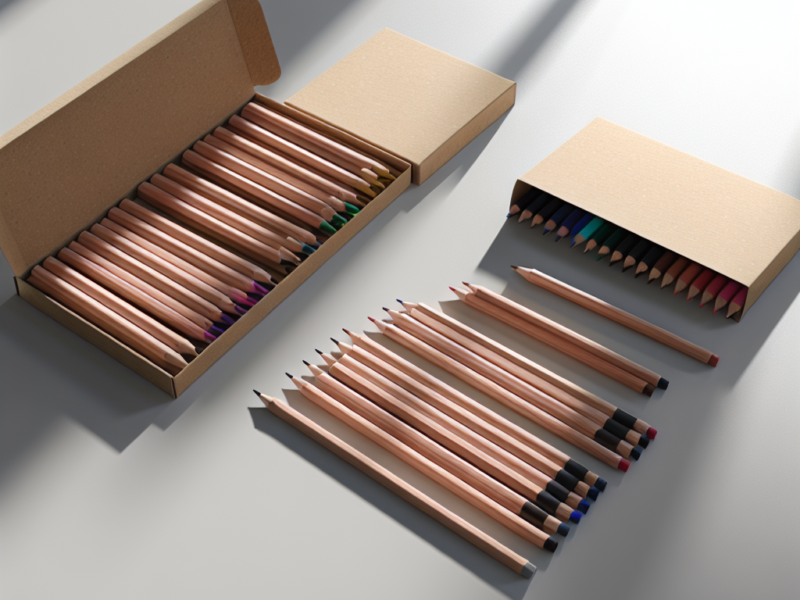
Import Oil-Based Colored Pencil from China Guide
Looking to import oil-based colored pencil products from China? Whether you’re a stationery retailer, art supply distributor, or private label brand, sourcing high-quality pencils from Chinese manufacturers can be a smart move—if done right. This guide walks you through the process, from identifying a reliable pencil supplier to navigating logistics and customs regulations. With the right strategy, you can reduce costs, ensure quality, and build a sustainable supply chain for your art products.
Why Choose Oil-Based Colored Pencils?
Oil-based colored pencils are favored by professional artists and hobbyists alike for their rich pigmentation, smooth application, and long-lasting performance. Unlike wax-based pencils, oil-based formulas resist smudging and offer better layering capabilities. These qualities make them a high-demand item in the global art supplies market.
Here’s a quick comparison to understand the appeal:
| Feature | Oil-Based Colored Pencils | Wax-Based Colored Pencils |
|---|---|---|
| Blendability | Excellent, smooth transitions | Good but may leave wax bloom |
| Smudge Resistance | High | Moderate |
| Durability | Long-lasting core | Prone to breakage under pressure |
| Cost | Higher | Lower |
Given their premium status, importing oil-based colored pencils can be especially profitable if you’re targeting art professionals or students seeking quality materials.
Step 1: Finding a Reliable Pencil Supplier in China
The first and most critical step in your import journey is choosing the right manufacturer. China is home to hundreds of pencil factories, but not all are equal in terms of quality, compliance, or communication. Here’s how to identify a trustworthy pencil supplier:
- Look for certifications like ISO 9001, FSC, or EN71 compliance to ensure quality and safety standards.
- Request samples to evaluate pigment quality, core strength, and casing material.
- Check their OEM/ODM capabilities if you plan to launch your own brand.
- Use sourcing platforms like Alibaba, Made-in-China, or attend trade fairs such as the Canton Fair or Paperworld China.
For a deeper dive into supplier vetting, read this comprehensive guide on importing stationery from China.
Step 2: Understanding Oil-Based Pencil Specifications
When you buy pencils in bulk, especially oil-based types, you need to understand the technical specifications that affect both quality and cost. Here are key features to discuss with your supplier:
- Core composition: High-quality oil-based cores use refined oils and pigments for smooth blending and vibrant color.
- Wood casing: Basswood and incense cedar are premium options that sharpen well and resist splintering.
- Barrel shape: Round, hexagonal, or triangular—each offers different ergonomic benefits.
- Color range: Standard sets range from 12 to 72 colors. Custom assortments are often available for OEM orders.
- Packaging: Tin boxes, cardboard sleeves, or custom-designed cases can enhance brand perception.
Don’t hesitate to ask for a full product specification sheet and MSDS (Material Safety Data Sheet) to ensure compliance with your country’s import regulations.
Step 3: Managing Production and Quality Control
Once you’ve selected a supplier, it’s time to move into production. This phase requires active communication and quality assurance planning. Here are best practices:
- Use a purchase order (PO) that clearly states quantity, specs, payment terms, and delivery schedule.
- Schedule third-party inspections at the pre-production, mid-production, and pre-shipment stages.
- Request batch testing for color consistency, core bonding, and packaging durability.
According to Durzer’s pencil import blog, consistent communication and establishing a long-term relationship with your manufacturer can significantly reduce defects and delays.
Step 4: Shipping and Logistics Strategy
Shipping costs and timelines can make or break your import strategy. Oil-based colored pencils are compact but still require careful handling to avoid damage. Here’s how to streamline logistics:
- Consolidate shipments with other stationery items to save on freight costs. This is especially useful if you’re importing from multiple suppliers.
- Use a freight forwarder who understands Chinese export processes and destination country customs.
- Choose the right shipping method:
- Sea freight is cost-effective for large volumes but slower (30–45 days).
- Air freight is faster (7–10 days) but more expensive—ideal for urgent or small-batch orders.
For bulky or specialty items, like oversized pencils, shipment consolidation and freight partnerships are even more crucial. For more on this, check out this guide on importing giant pencils efficiently.
Step 5: Navigating Customs and Duties
Importing art supplies like oil-based colored pencils involves specific customs classifications. In the U.S., for example, colored pencils are often grouped under HS code 9609.10.00.00. The duty rate may vary depending on the packaging and whether it’s classified as part of an “art set.”
According to a U.S. Customs CROSS ruling, the inclusion of pencils in an art set can affect the classification and duty assessment. Understanding these nuances helps avoid unexpected costs or delays.
To ensure smooth customs clearance:
- Work with a customs broker to handle documentation and duty payment.
- Ensure all labeling and packaging meet destination country standards (e.g., CE marking, safety warnings).
- Keep detailed invoices and packing lists for every shipment.
Pros and Cons of Importing Oil-Based Colored Pencils from China
Before making your first order, weigh the benefits and challenges:
| Pros | Cons |
|---|---|
| Lower manufacturing costs | Longer lead times |
| Wide range of product customization | Language and communication barriers |
| Advanced OEM capabilities | Requires strict quality control |
| Scalable production for large orders | Complex import regulations |
Tips for First-Time Importers
If you’re new to international sourcing, here are a few final tips to help you succeed:
- Start small: Place a trial order to test product quality and supplier reliability.
- Build relationships: Long-term partnerships often lead to better pricing and priority production slots.
- Stay updated: Monitor changes in tariffs, shipping rates, and regulatory requirements.
- Invest in branding: Custom packaging and private labeling can elevate your product line and increase margins.
Conclusion: Is Importing Oil-Based Colored Pencils Worth It?
Absolutely—if you plan strategically. Importing oil-based colored pencils from China offers a unique opportunity to source premium products at competitive prices. By selecting the right pencil supplier, managing quality control, and optimizing logistics, you can build a profitable and scalable business in the stationery industry.
Whether you’re looking to buy pencils for retail, wholesale, or private label distribution, China’s manufacturing ecosystem provides the tools and talent to bring your vision to life.
Ready to get started? Begin by researching certified suppliers and requesting samples today. Your next best-selling art product might be just one container away.
Related Reading
- What Importers Should Know About Colored Pencils Wholesale for B2B Buyers
- Everything About Colored Pencils Wholesale for B2B Buyers
- Complete Guide to Colored Pencils Wholesale for Global Distributors
- Top Colored Pencils Wholesale for Brand Owners
- Top Private Label Pencil Orders for Australia Importers
- What Importers Should Know About Private Label Pencil Orders for South America
- How to Source Custom Logo Pencils for EU Buyers
- Top FSC Certified Pencils for Australia Importers