
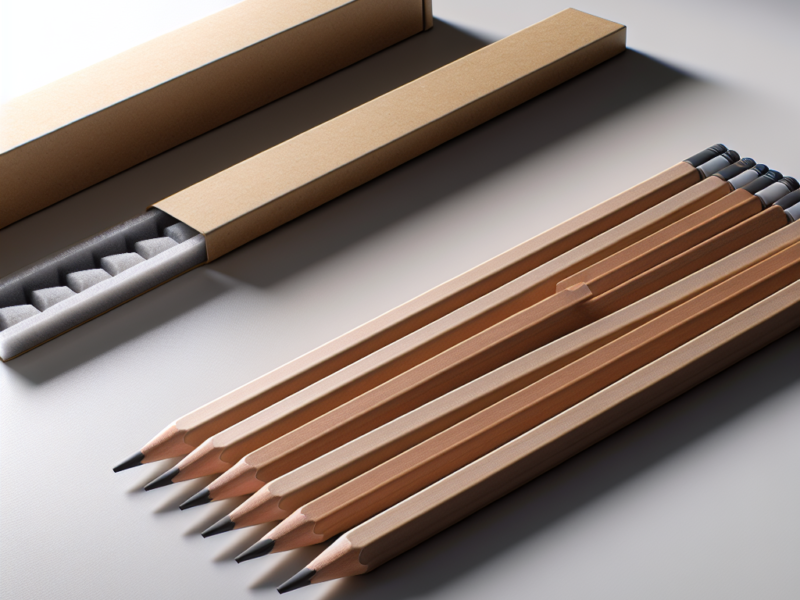
Import HB Pencils from China Guide for Buyers
Whether you’re a stationery brand, school supplier, or office distributor, the decision to buy pencils from overseas can significantly impact your business margins and product quality. Among the most popular writing tools globally, the HB pencil remains a staple in educational, artistic, and professional settings. If you’re looking to source high-quality HB pencils at scale, importing from China is a strategic move — but it requires careful planning and execution.
This guide walks you through the essential steps and considerations for importing HB pencils from China, from identifying a reliable pencil supplier to managing logistics and ensuring product compliance. Whether you’re new to international sourcing or looking to optimize your current supply chain, this article offers actionable insights tailored to commercial buyers.
Why Import HB Pencils from China?
China is the world’s largest exporter of stationery products, including pencils. The country’s manufacturing ecosystem offers:
- Mass production capabilities with consistent quality
- Competitive pricing due to economies of scale
- Wide selection of pencil types, materials, and customization options
- Established export experience and logistics infrastructure
Chinese manufacturers produce pencils for global brands and private labels alike. By working directly with a factory or a verified trading company, you can access OEM/ODM services, lower unit costs, and flexible MOQs (minimum order quantities).
But as with any international trade, success depends on doing your homework. Let’s break down the process.
Step 1: Understand the HB Pencil and Its Specifications
The HB pencil is a graphite pencil with a medium hardness grade. It sits in the middle of the graphite scale — not too hard (like H) and not too soft (like B). This makes it ideal for writing, sketching, and general-purpose use.
When sourcing, you’ll want to clarify key specifications with suppliers:
| Specification | Common Options |
|---|---|
| Core Material | Graphite-clay mix (standard), polymer (eco-friendly) |
| Wood Casing | Basswood, poplar, incense cedar, recycled paper |
| Shape | Hexagonal, round, triangular |
| Finish | Painted, lacquered, foil-stamped |
| Eraser | With or without, latex-free options available |
Understanding these variables helps you align your product with your target market. For example, schools may prefer non-toxic, latex-free pencils with break-resistant cores, while artists might prefer eco-friendly options with smooth graphite flow.
Step 2: Research and Verify Reliable Pencil Suppliers
The most critical decision in your import journey is choosing the right pencil supplier. China has thousands of pencil manufacturers, but not all are equal in quality, ethics, or reliability.
Start with platforms like Alibaba, Made-in-China, and Global Sources. Then, go beyond the listing:
- Request business licenses and export certificates
- Check factory audit reports (e.g., BSCI, ISO 9001)
- Ask for product samples and test reports (e.g., EN71, ASTM D4236)
- Review their client list or export markets
- Evaluate communication responsiveness and professionalism
As highlighted in this guide on importing stationery, supplier verification is essential for avoiding scams, quality issues, and delivery delays. If possible, conduct a factory visit or hire a third-party inspection company to audit the facility.
Step 3: Compare Costs and Evaluate Customization Options
Price is important, but it should not be your only metric. Evaluate the full value proposition:
- Unit price based on volume tiers
- Tooling or mold fees (for custom pencils)
- Packaging costs (bulk vs. retail-ready)
- Shipping terms (FOB, CIF, DDP)
- Lead time and production capacity
Most Chinese pencil manufacturers offer OEM and ODM services. You can customize:
- Barrel color and finish
- Logo printing (silkscreen, hot foil, UV)
- Packaging design (blister packs, boxes, tins)
According to insights from the Durzer Pencil blog, branding and customization are key to market differentiation. Whether you’re creating a school brand or a promotional item, a unique design can significantly boost perceived value.
Step 4: Handle Logistics and Shipping
Once you’ve finalized your order, it’s time to plan the logistics. Your options include:
- Air freight: Fast but expensive, suitable for small or urgent shipments
- Sea freight: Economical for bulk orders, but slower (20–40 days)
- Courier (DHL, FedEx): Convenient for samples or low-volume test runs
Clarify Incoterms with your supplier — FOB (Free on Board) is common, meaning you handle shipping from the port onward. Alternatively, some suppliers offer DDP (Delivered Duty Paid), which includes shipping and customs clearance to your destination.
Don’t forget to factor in:
- Import duties and taxes
- Customs documentation (invoice, packing list, bill of lading)
- HS code for pencils (9609.10.00)
For more on managing international logistics, see this stationery import guide that covers freight options and customs considerations.
Step 5: Implement Quality Control Measures
Quality assurance is non-negotiable when importing. Even with reputable suppliers, you need safeguards in place to ensure consistency.
Best practices include:
- Pre-production sample approval
- In-line production checks
- Final random inspection (FRI) before shipment
Third-party QC firms like SGS, Intertek, or AsiaInspection can conduct inspections based on your criteria — such as lead content, break resistance, or print accuracy. This reduces the risk of receiving defective or non-compliant products.
Step 6: Build Long-Term Supplier Relationships
Once you’ve completed a successful import cycle, nurture the relationship. Reliable suppliers can become strategic partners who help you scale, innovate, and reduce costs over time.
Maintain clear communication, provide feedback, and negotiate terms for future orders. Consider visiting trade fairs like the Canton Fair or Paperworld China to meet suppliers face-to-face and explore new product lines.
Pros and Cons of Importing HB Pencils from China
| Pros | Cons |
|---|---|
| Lower manufacturing costs | Longer lead times |
| Wide range of customization options | Language and communication barriers |
| Established export logistics | Import duties and compliance risks |
| Flexible MOQs for small to large buyers | Quality control requires active management |
Final Thoughts
Importing HB pencils from China is a smart move for businesses looking to balance cost, quality, and customization. But success hinges on due diligence — from supplier vetting to logistics planning and quality control. By understanding the full workflow and leveraging the right partners, you can build a resilient, scalable supply chain that supports your brand’s growth.
As global demand for stationery evolves, staying informed and agile will help you stay ahead. Use this guide as your roadmap, and don’t hesitate to consult industry experts or sourcing agents when needed.
Ready to buy pencils from China? Begin with a clear sourcing strategy, and you’ll be well on your way to building a profitable import operation.
Related Reading
- Ultimate Buyer Guide for HB Pencils in Bulk for Global Distributors
- How to Choose HB Pencils in Bulk for South America
- Guide to HB Pencils in Bulk for Brand Owners
- Ultimate Buyer Guide for OEM Pencil Manufacturing for B2B Buyers
- Top FSC Certified Pencils for Australia Importers
- What Importers Should Know About School Pencils for Wholesale Orders
- Best OEM Pencil Manufacturing for B2B Buyers
- How to Source Custom Logo Pencils for EU Buyers