
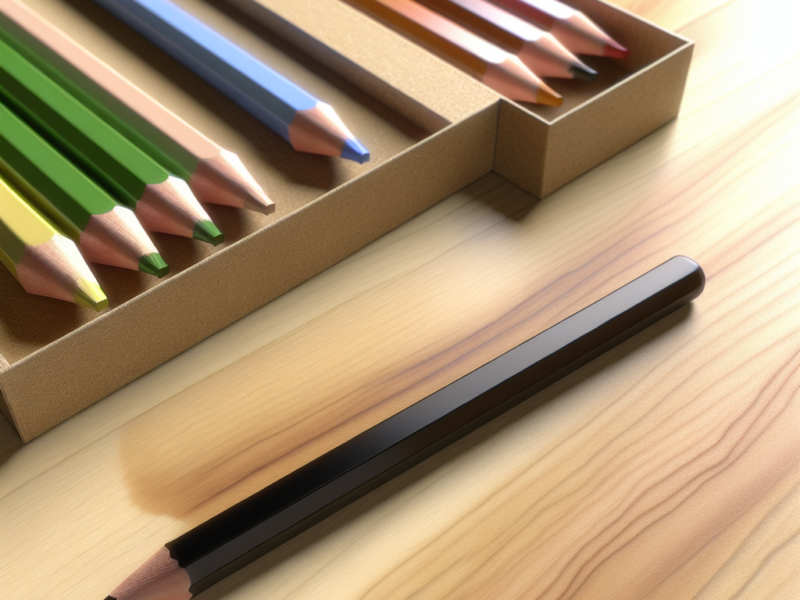
Import Charcoal Pencil from China: Supplier Tips and Costs
Charcoal pencils are a staple in the art world, valued for their deep tonal range and smooth application. Whether you’re an art supply retailer, a creative brand, or an education supplier, choosing to import charcoal pencils from China can unlock significant cost advantages and a wide range of customization options. But the process isn’t as simple as placing an order and waiting for delivery. To succeed, you need a strong grasp of sourcing, supplier vetting, logistics, and cost control.
This guide offers a comprehensive look at how to buy pencils—specifically charcoal pencils—from China, including key supplier tips, cost breakdowns, and practical steps to streamline your import process.
Why Import Charcoal Pencils from China?
China dominates the global stationery manufacturing sector, producing millions of pencils annually for both OEM and branded clients. The country’s mature industrial clusters—particularly in regions like Zhejiang, Guangdong, and Jiangsu—offer access to skilled labor, automated production lines, and a wide variety of raw materials. This makes it an ideal destination for sourcing high-quality charcoal pencils at competitive prices.
Benefits of importing from China include:
- Lower production and labor costs
- Broad selection of pencil types and grades (soft, medium, hard charcoal)
- OEM/ODM services for private label branding
- Scalable production for bulk orders
However, to truly capitalize on these advantages, you must navigate supplier selection, quality assurance, and shipping logistics with care.
Step-by-Step: How to Source the Right Pencil Supplier
Finding a reliable pencil supplier is the cornerstone of a successful import operation. Here’s a proven workflow to help you identify and evaluate manufacturers:
- Define Your Product Requirements
Specify details like charcoal grade, casing material (cedar, basswood, recycled), core diameter, packaging, and any branding needs. - Search on Trusted Platforms
Use B2B marketplaces like Alibaba, Made-in-China, and Global Sources. Filter by verified suppliers with export experience and high transaction volumes. - Request Samples
Always request product samples before placing a bulk order. Test for smoothness, break resistance, and tonal quality. - Conduct Factory Audits
If possible, visit the factory or hire a local agent to perform a factory audit. Check for production capacity, quality control systems, and certifications like ISO9001 or FSC. - Negotiate Pricing and Terms
Discuss minimum order quantities (MOQs), lead times, payment terms, and shipping methods. Be clear about Incoterms (EXW, FOB, CIF, etc.).
For a deeper dive into supplier evaluation and sourcing strategy, see this guide on importing stationery from China.
Understanding Charcoal Pencil Specifications
Not all charcoal pencils are created equal. When sourcing from China, it’s important to understand the technical specs that affect product performance and user satisfaction.
| Feature | Options | Impact on Use |
|---|---|---|
| Charcoal Grade | Soft, Medium, Hard | Soft gives darker lines; hard offers fine detail |
| Core Diameter | 4mm, 5mm, 6mm | Thicker cores allow bolder strokes |
| Wood Casing | Cedar, Basswood, Poplar | Cedar sharpens cleanly; basswood is cost-effective |
| Finish | Natural, Lacquered, Matte | Impacts aesthetic and grip comfort |
| Packaging | Paper box, metal tin, blister pack | Influences retail appeal and protection |
Communicate these details clearly with your supplier to avoid misalignment and ensure consistency across production batches.
Cost Breakdown: What to Expect When You Buy Pencils from China
Understanding the full cost structure is essential when planning to buy pencils in bulk. Here’s a simplified breakdown of typical expenses involved:
- Unit Cost: $0.05–$0.30 per pencil depending on grade, packaging, and customization
- Tooling/Setup Fees: $100–$500 for custom molds or packaging
- Shipping: Varies by method (see table below)
- Customs Duties: Typically 0–5% for pencils, depending on destination country
- Freight Forwarder Fees: $100–$300 per shipment
| Method | Transit Time | Best For | Cost |
|---|---|---|---|
| Air Freight | 5–10 days | Urgent or small-volume orders | High |
| Sea Freight (FCL) | 20–40 days | Large-volume orders | Low per unit |
| Rail Freight | 15–25 days | EU shipments | Moderate |
For a full logistics overview, including customs and freight advice, refer to this logistics guide from Forest Shipping.
Tips for Managing Quality and Reducing Risk
Quality control is non-negotiable when importing art supplies. Charcoal pencils must meet user expectations for smoothness, smudge control, and break resistance. Here are practical tips:
- Request a Pre-Production Sample to verify specs and finish
- Use Third-Party Inspection Services like SGS or Bureau Veritas to audit batches before shipment
- Specify Packaging Protections such as foam inserts or shrink wrap to prevent breakage during transit
- Establish a Clear Quality Agreement in your contract, including defect thresholds and return policies
The East West Basics import guide offers additional insight into managing supplier relationships and spotting quality red flags early.
Legal and Documentation Essentials
Before your shipment can clear customs, you’ll need accurate documentation. Common requirements include:
- Commercial Invoice
- Packing List
- Bill of Lading (B/L) or Air Waybill (AWB)
- Certificate of Origin (if required)
- Import License (depending on country)
Ensure your supplier provides all documents in advance and that your freight forwarder has experience handling stationery products. Delays due to paperwork errors can be costly.
Building Long-Term Supplier Relationships
Once you’ve found a reliable pencil supplier, invest in the relationship. Consistent communication, timely payments, and clear expectations lay the groundwork for better pricing, priority production, and faster problem resolution. Many successful importers visit their suppliers annually or maintain contact through WeChat or Alibaba Trade Manager to keep the relationship warm.
Final Thoughts
Importing charcoal pencils from China can be a profitable venture—if approached strategically. By carefully selecting suppliers, understanding product specs, managing logistics, and safeguarding quality, you can build a reliable supply chain that supports your business growth.
Whether you’re launching a new art brand or expanding your product line, the key is preparation. With the right approach, you won’t just buy pencils—you’ll source them smarter, faster, and more cost-effectively than your competitors.
Related Reading
- Everything About Colored Pencils Wholesale for B2B Buyers
- What Importers Should Know About School Pencils for Wholesale Orders
- What Importers Should Know About Carpenter Pencils Supplier for Brand Owners
- Everything About Graphite Pencil Production for Global Distributors
- Ultimate Buyer Guide for OEM Pencil Manufacturing for B2B Buyers
- Benefits of OEM Pencil Manufacturing for B2B Buyers
- How to Choose Colored Pencils Wholesale for South America
- What Importers Should Know About Graphite Pencil Production for Wholesale Orders