Private Label Pencils Guide for Importers and OEM Buyers
In the competitive world of stationery, private label pencils offer a powerful way for importers and OEM buyers to differentiate their brand and gain market share. Whether you’re supplying schools, offices, or art stores, custom pencils can be a high-margin product—if sourced and manufactured correctly. But behind every successful pencil brand is a smart sourcing strategy, a reliable manufacturer, and a firm grasp of international trade logistics.
This guide walks you through everything you need to know about sourcing, customizing, and importing private label pencils. From finding the right custom pencil manufacturer to navigating tariffs and compliance, we’ll help you build a profitable and scalable pencil business.
Why Private Label Pencils Are a Smart Business Move
Private labeling allows businesses to sell products under their own brand without having to manufacture them from scratch. In the stationery market, pencils are an ideal candidate for private labeling due to their low production costs, consistent demand, and broad customer base.
Here are some key reasons importers are investing in private label pencil lines:
- Brand Control: Customize design, packaging, and messaging to reflect your brand identity.
- Higher Margins: Bypass retail markups and price competitively while increasing profits.
- Scalability: Easily expand your product range with colored pencils, mechanical pencils, eco-friendly options, and more.
- Market Demand: Pencils remain a staple in education, art, and office sectors worldwide.
Types of Private Label Pencils You Can Offer
Before diving into sourcing, it’s important to decide what type of pencils you want to private label. Here’s a breakdown of common categories:
| Pencil Type | Target Market | Customization Options |
|---|---|---|
| Graphite Pencils (HB, 2B, etc.) | Schools, offices | Barrel color, logo, eraser color |
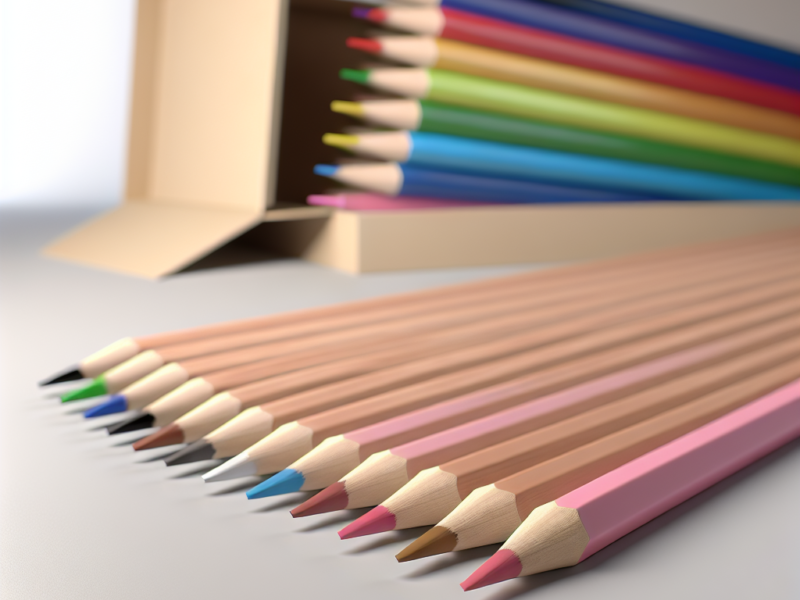
| Colored Pencils | Artists, students | Color range, packaging, branding |
| Mechanical Pencils | Office, engineering | Grip design, barrel material, lead size |
| Eco-Friendly Pencils | Sustainable brands | Recycled wood, biodegradable packaging |
| Promotional Pencils | Corporate giveaways | Custom print, color match, bulk packaging |
How to Choose the Right Custom Pencil Manufacturer
Finding a reliable custom pencil manufacturer is critical to your business success. A good manufacturer not only delivers consistent quality but also offers flexibility in design and packaging, competitive pricing, and dependable lead times.
Here are key criteria to evaluate:
- Experience: Look for manufacturers with a proven track record in OEM pencil production.
- Certifications: Ensure compliance with safety and environmental standards (e.g., EN71, ASTM D4236).
- Customization Capabilities: Ask about printing options, color matching, and packaging solutions.
- MOQ (Minimum Order Quantity): Choose a partner whose MOQs align with your budget and market size.
- Communication: Clear, responsive communication is essential for managing timelines and quality control.
China remains the dominant hub for pencil manufacturing, offering a wide range of suppliers. According to Owlsourcing’s guide, building strong relationships with Chinese suppliers can lead to better pricing and more flexible terms. Visiting factories or working with sourcing agents can also help verify quality and negotiate favorable contracts.
Designing Your Private Label Pencil
Once you’ve selected a manufacturer, the next step is to design your product. This is where your brand identity comes to life. Most OEM pencil factories offer a range of customization options:
- Barrel Style: Round, hexagonal, or triangular
- Material: Cedar wood, recycled paper, plastic, or bamboo
- Finish: Painted, lacquered, matte, or natural wood
- Printing: Foil stamping, screen printing, laser engraving
- Eraser: Custom colors, shapes, or eco-friendly options
- Packaging: Boxes, tubes, sleeves, or custom kits
Be sure to request samples before finalizing your design. This allows you to assess the quality and make any necessary adjustments before mass production begins.
Understanding Import Regulations and HS Codes
Importing pencils requires compliance with international trade regulations. One of the most important elements is the HS (Harmonized System) code, which classifies goods for customs purposes. As of 2025, the standard HS code for pencils is 9609.10.
According to FreightAmigo’s 2025 HS Code Guide, staying updated on classification changes is essential to avoid delays, overpaying duties, or facing legal penalties. In the U.S., for example, the Harmonized Tariff Schedule (HTS) is used to determine the applicable import duty.
Other compliance considerations include:
- Labeling requirements in your target market
- Safety testing for children’s products (e.g., lead content)
- Customs documentation and country-of-origin declarations
Managing Logistics and Shipping
Once your pencils are produced, the next challenge is getting them to your warehouse or distribution center. Logistics planning is crucial to keep costs low and ensure timely delivery.
Key shipping options include:
- FOB (Free on Board): The supplier delivers goods to the port; you handle shipping from there.
- CIF (Cost, Insurance, Freight): The supplier covers shipping and insurance to your destination port.
Working with a freight forwarder can simplify the process, especially if you’re new to importing. They can help you navigate customs clearance, tariffs, and local delivery logistics.
Cost Factors to Consider
Pricing your private label pencils involves more than just production cost. Here’s a breakdown of typical cost components:
| Cost Element | Description |
|---|---|
| Unit Cost | Base price per pencil from the manufacturer |
| Tooling Fees | One-time setup costs for custom molds or printing |
| Packaging | Custom boxes, labels, inserts |
| Shipping | Freight charges (air or sea), insurance |
| Import Duties | Tariffs based on HS code and destination country |
| Warehousing | Storage and handling at your facility or 3PL |
Tips for First-Time Importers
If you’re launching a private label pencil line for the first time, here are some practical tips to reduce risk and increase your chances of success:
- Start with a smaller order to test market response.
- Work with a sourcing agent if you’re unfamiliar with overseas suppliers.
- Build a buffer into your timeline to account for shipping delays.
- Use escrow payment methods or trade assurance platforms to protect your investment.
- Regularly communicate with your supplier to avoid misunderstandings.
For a broader overview of wholesale stationery sourcing strategies, see Maple Sourcing’s guide on back-to-school supplies. It offers key insights into market demand, bulk purchasing benefits, and supplier evaluation techniques that apply directly to pencil importers.
Conclusion: Building a Sustainable Pencil Brand
Private label pencils offer a unique opportunity for importers and OEM buyers to build a strong, differentiated brand in a stable market. With the right manufacturing partner, smart sourcing strategies, and a firm grasp of logistics and compliance, you can create a product line that’s both profitable and scalable.
Whether you’re targeting schools, offices, or creative professionals, success starts with understanding your market and aligning with a custom pencil manufacturer who shares your quality and branding goals. With careful planning, your private label pencil venture can sharpen your brand’s presence in the global stationery market.
Related Reading
- Complete Guide to Graphite Pencil Production for Retail Chains
- Best Private Label Pencil Orders for B2B Buyers
- Top School Pencils for B2B Buyers
- What Importers Should Know About Private Label Pencil Orders for South America
- Complete Guide to School Pencils for Australia Importers
- Guide to Custom Logo Pencils for Global Distributors
- Ultimate Buyer Guide for School Pencils for Wholesale Orders
- Top Colored Pencils Wholesale for Brand Owners