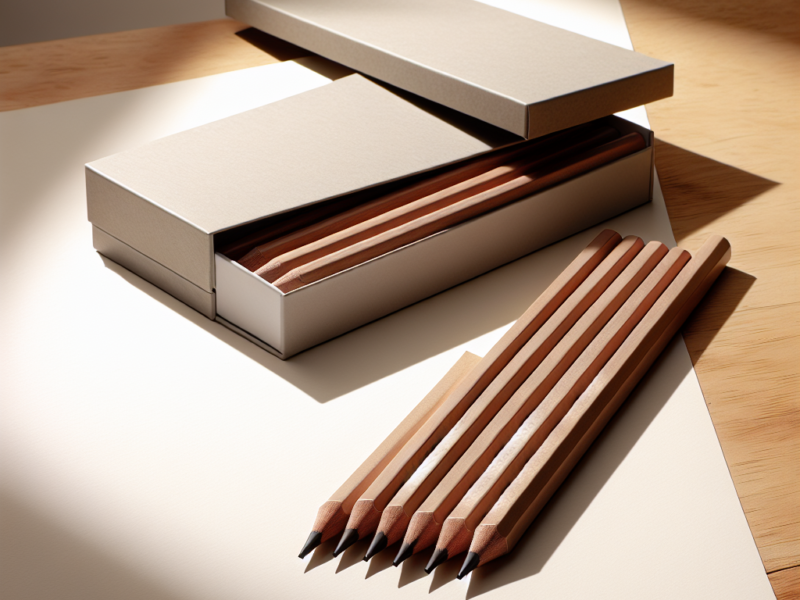
Private Label Pencils from Custom Pencil Manufacturer Australia
In a world where branding is everything, custom stationery has become more than a functional tool — it’s a statement. Whether you’re a school supplier, a promotional merchandiser, or an art brand scaling into retail, private label pencils offer a powerful way to blend utility with identity. Australia, with its strong manufacturing ethos and access to quality raw materials, is emerging as a go-to hub for custom pencil production. But what does it really take to create a pencil line under your own brand?
This article explores the journey of private label pencils through the lens of a trusted custom pencil manufacturer in Australia. We’ll examine the OEM production process, quality control, material sourcing, and how sustainability plays a growing role in today’s pencil manufacturing landscape.
Why Choose Private Label Pencils?
Private labeling allows businesses to sell products under their own brand while outsourcing production to experienced manufacturers. In the pencil industry, this model makes sense for companies that want to focus on marketing and distribution without investing in costly production infrastructure.
Here are a few compelling reasons to consider private label pencils:
- Brand Visibility: Custom pencils can carry your logo, slogan, or color scheme, reinforcing brand identity with every use.
- Market Differentiation: Offer unique designs, finishes, or packaging that set your brand apart from generic competitors.
- Scalability: Start small and scale up as demand grows — OEM pencil manufacturers can accommodate flexible order volumes.
- Cost Efficiency: Skip the overhead of equipment and labor by leveraging a specialized manufacturer’s expertise.
Inside the OEM Pencil Production Process
Working with a custom pencil manufacturer involves a collaborative process that balances design intent with manufacturing feasibility. Here’s a simplified overview of the typical workflow:
| Stage | Description |
|---|---|
| 1. Product Design | You submit your specifications — pencil length, diameter, shape (round, hex, triangular), wood type, lead hardness, and branding elements. |
| 2. Material Sourcing | The manufacturer sources sustainable wood, graphite cores, and coatings based on your design and compliance requirements. |
| 3. Prototyping | Sample pencils are produced for approval, allowing you to test quality, aesthetics, and functionality. |
| 4. Production | Once approved, full-scale manufacturing begins, often with automated machinery for consistent output. |
| 5. Packaging | Custom packaging is created — from eco-friendly boxes to retail-ready blister packs — aligned with your brand identity. |
| 6. Shipping | Finished products are packed and shipped to your location, ready for retail or promotional use. |
What Makes a Great Custom Pencil Manufacturer?
Not all manufacturers are created equal. Choosing the right partner for your private label pencils means evaluating more than just price. Here are key factors to consider:
- Experience: Look for manufacturers with a proven track record in OEM pencil production and customization.
- Material Transparency: Ensure the supplier can trace the origin of their wood, graphite, and coatings — especially if you’re targeting eco-conscious markets.
- Certifications: ISO, FSC, or EcoVadis accreditations signal a commitment to quality and sustainability.
- Flexibility: Can they handle small MOQs (minimum order quantities) for startups and scale up for larger campaigns?
- Communication: A responsive team makes the difference when refining designs or resolving production issues.
One standout example is Graphite Australia, a company with deep roots in the graphite supply chain. Their supplier network is rigorously vetted, with a focus on international accreditations and sustainability. While they specialize in industrial graphite, their approach offers valuable lessons for consumer goods manufacturing — particularly how to build a resilient, ethical supply chain.
Sustainable Sourcing: The Future of Pencil Manufacturing
As consumers become more eco-conscious, sustainability is no longer a luxury — it’s a requirement. Pencil manufacturers in Australia are responding with greener processes and sourcing strategies. Here’s how:
- FSC-Certified Wood: Sourced from responsibly managed forests, ensuring minimal environmental impact.
- Non-Toxic Coatings: Water-based paints and lacquers reduce VOC emissions and improve safety for users.
- Recycled Packaging: Many custom pencil lines now use biodegradable or recyclable packaging materials.
- Ethical Graphite Sourcing: As seen in Graphite Australia’s approach, ethical mining and supply chain transparency are gaining traction.
For further reading on sustainable sourcing in the graphite industry, see Graphite Australia’s sourcing methodology.
Materials Breakdown: What Goes Into a Pencil?
Understanding the components of a pencil helps you make informed branding and quality decisions. Here’s a breakdown of common pencil materials:
| Component | Material | Notes |
|---|---|---|
| Core | Graphite & Clay | Hardness varies by clay ratio; HB is standard, softer leads (e.g., 2B–6B) for art use. |
| Wood Casing | Basswood, Cedar, or Jelutong | Soft woods are easier to sharpen; FSC-certified options are preferred. |
| Coating | Water-based Paint | Available in custom colors and finishes (matte, gloss, metallic). |
| Ferrule & Eraser | Aluminum & Rubber | Optional — many eco pencils skip the eraser for recyclability. |
Pros and Cons of Private Label Pencil Production
Before diving in, weigh the trade-offs of launching your own pencil brand:
| Pros | Cons |
|---|---|
| Full control over branding and design | Initial design and prototyping can take time |
| Ability to target niche markets (e.g., artists, schools, eco-conscious buyers) | Quality depends heavily on manufacturer reliability |
| Potential for higher margins compared to reselling generic products | Requires upfront investment for tooling and packaging |
| Flexible order volumes with the right partner | Logistics and customs may add complexity for international orders |
How to Get Started with a Custom Pencil Manufacturer in Australia
If you’re ready to launch your own line of private label pencils, here’s how to begin:
- Define Your Product: Choose your pencil type (standard, colored, jumbo, carpenter), target audience, and branding needs.
- Research Manufacturers: Look for Australian OEMs with experience in your niche and the ability to meet your sustainability or quality requirements.
- Request Samples: Always test samples before committing to full production. Check for smooth writing, coating durability, and print quality.
- Discuss MOQs and Lead Times: Make sure the manufacturer can meet your desired quantity and timeline.
- Review Contracts Carefully: Look for clauses on intellectual property, exclusivity, and quality assurance.
Australia’s manufacturing sector offers a reliable and ethical base for custom stationery production. With the right partner, you can bring a unique pencil line to market — one that reflects your values, aesthetics, and business goals.
Final Thoughts: Branding Meets Craftsmanship
Private label pencils are more than a promotional item — they’re a tactile representation of your brand. In Australia, the blend of skilled craftsmanship, ethical sourcing, and OEM expertise makes it possible to create pencils that are both beautiful and responsible.
Whether you’re launching a boutique art supply, scaling a school supply business, or creating eco-friendly merch, working with a custom pencil manufacturer gives you the flexibility and support to bring your vision to life. And with growing attention to sustainability and supply chain ethics, now is the perfect time to invest in a product that writes your brand’s story — one stroke at a time.
For further insights into ethical sourcing and quality control in graphite-based industries, visit Graphite Australia.