OEM Pencil Supplier for Private Label Pencils
Whether you’re launching a new stationery brand, expanding your art supply line, or offering promotional products, finding the right OEM pencil supplier is a critical step. Private label pencils are more than just writing tools — they’re brand ambassadors, marketing assets, and creative instruments all in one. But how do you go from concept to custom pencil that reflects your unique identity?
In this guide, we’ll explore how OEM pencil manufacturing works, what to consider when selecting a supplier, and how to build a successful private label pencil product from the ground up. From core materials to custom finishes, you’ll gain a solid understanding of the process — and what sets a high-quality partner apart.
Understanding OEM Pencil Manufacturing
OEM stands for “Original Equipment Manufacturer.” In the context of pencils, an OEM supplier produces pencils according to your specifications — including shape, material, branding, and packaging — and allows you to sell them under your own label.
This model is ideal for businesses that want to offer unique pencils without investing in their own manufacturing facilities. A good OEM pencil supplier brings technical expertise, quality control, and production scalability to the table, while you focus on branding, marketing, and distribution.
What Are Private Label Pencils?
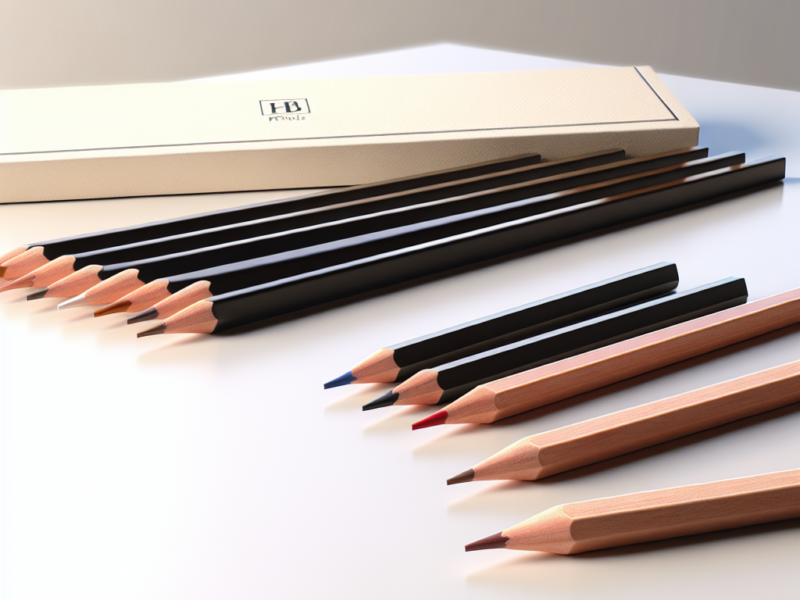
Private label pencils are custom-branded writing or coloring instruments produced by a third-party manufacturer but sold under your brand name. These pencils can be tailored in terms of:
- Barrel shape and size (round, hexagonal, triangular)
- Material (wooden, recycled paper, plastic-free)
- Core type (graphite, colored, charcoal, watercolor)
- Finish (lacquered, matte, natural wood)
- Branding (logo printing, foil stamping, engraving)
- Packaging (custom boxes, tins, eco-friendly wraps)
Private label pencils are popular across industries — from art supply retailers and educational brands to corporate gift providers and eco-conscious startups.
OEM Pencil Supplier Workflow: From Idea to Product
Working with an OEM pencil supplier typically follows a structured process. Here’s a breakdown of the key stages:
| Stage | Description |
|---|---|
| 1. Product Specification | You define your pencil’s features — core type, wood, finish, branding, packaging, etc. |
| 2. Sampling & Prototyping | The supplier produces samples based on your specs for review and refinement. |
| 3. Quotation & MOQ | Pricing is finalized based on quantity, materials, and complexity. Minimum order quantities (MOQs) apply. |
| 4. Production | Mass production begins, typically taking 4–8 weeks depending on order size and customization. |
| 5. Quality Control | OEM suppliers conduct inspections to ensure consistency and compliance with agreed specs. |
| 6. Packaging & Shipping | Products are packed per your design and shipped globally or to your distribution center. |
Key Materials in OEM Pencil Production
Material selection plays a huge role in the quality and sustainability of your private label pencils. Here’s a quick overview of common components:
- Wood: Incense cedar, basswood, and poplar are popular for their sharpening quality and smooth finish. FSC-certified options are available for eco-conscious brands.
- Core: Graphite (HB to 9B), clay-based color pigments, or water-soluble pigments for watercolor pencils.
- Ferrule & Eraser: Optional components often made from aluminum and rubber or vinyl. Many eco brands omit these for plastic-free designs.
- Coating: Lacquer, water-based paint, or natural uncoated finishes depending on aesthetic and environmental goals.
For more on sustainable pencil materials, see this overview from FSC International.
What to Look for in a Reliable OEM Pencil Supplier
Choosing the right manufacturing partner is crucial. Here are the top criteria to evaluate:
- Experience: Look for suppliers with a proven track record in pencil manufacturing and private label projects.
- Customization capabilities: Can they handle your branding needs — from barrel printing to packaging design?
- Certifications: ISO, FSC, EN71 (for toy safety), ASTM D-4236 (non-toxic) — these matter, especially for children’s products.
- MOQ flexibility: Some suppliers accommodate small batches for startups; others require large volumes.
- Communication: Transparent, responsive communication is key to smooth collaboration.
Working with a supplier who understands both the technical and branding sides of the business can make a significant difference in product outcome and time to market.
Pros and Cons of Private Label Pencil Production
Before jumping into an OEM partnership, weigh the benefits and trade-offs:
| Pros | Cons |
|---|---|
| Full brand control | Upfront investment required |
| Custom design and packaging | Longer lead times |
| Scalable production | MOQ limits for small businesses |
| Potential for higher margins | Requires supplier vetting and quality checks |
For many businesses, the benefits of differentiation and brand ownership outweigh the logistical challenges — especially with the right supplier in place.
Popular Use Cases for Private Label Pencils
Private label pencils serve a wide range of industries and purposes:
- Art supply brands: Custom graphite or colored pencils tailored to professional or student artists
- Educational kits: Pencil sets branded for schools, learning programs, or children’s subscription boxes
- Corporate gifts: Eco-friendly pencils with company logos for conferences and events
- Retail merchandise: Branded stationery for bookstores, museums, or gift shops
- Sustainable brands: Plastic-free pencils made from recycled or biodegradable materials
If you’re developing a product in any of these areas, private labeling gives you the flexibility to align the design with your target market and brand story.
Cost Factors and MOQ Considerations
The cost of OEM pencil production depends on several variables:
- Material quality (e.g., cedar vs. basswood)
- Core complexity (e.g., single graphite vs. multicolor core)
- Branding method (screen printing, foil stamping, engraving)
- Packaging design (custom box vs. generic sleeve)
- Order volume (higher quantities reduce per-unit cost)
Minimum order quantities typically range from 5,000 to 50,000 units, depending on the supplier and customization level. Some suppliers offer lower MOQs for startup-friendly runs — though these may come with higher per-unit pricing.
For a deeper dive into pricing structures, consider reading this guide to private label manufacturing from Alibaba’s industry blog.
Packaging and Branding: Making Your Pencils Stand Out
Packaging is often your first impression — especially in retail or e-commerce. OEM suppliers can help you design:
- Custom printed boxes or sleeves
- Eco-friendly kraft paper wraps
- Window tins or sliding cases
- Retail-ready blister packaging
Some suppliers offer in-house design services or templates to streamline the process. Be sure to ask about options for sustainable packaging — a growing priority for many consumers.
Final Thoughts: Building a Pencil Brand That Lasts
Partnering with an OEM pencil supplier gives you the freedom to create a product that’s uniquely yours — from the feel of the barrel to the story behind the packaging. Whether you’re building a high-end art line or a playful, eco-conscious school kit, the right supplier can turn your vision into a tangible, market-ready product.
Take the time to define your specs, vet potential partners, and request detailed samples. With a thoughtful approach, private label pencils can become a powerful extension of your brand — in every stroke, sketch, and scribble.