
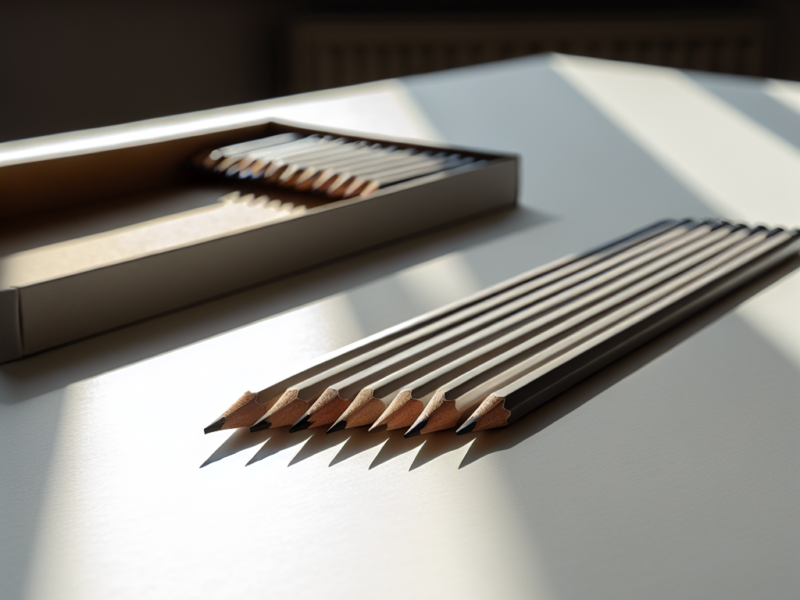
Custom Pencil Manufacturer for Private Label Wholesale Orders
In a world where branding is everything, even the simplest tools—like pencils—can become powerful marketing assets. Whether you’re a retailer launching your own stationery line or a business seeking unique promotional products, partnering with a custom pencil manufacturer for private label orders opens up a world of creative and commercial possibilities.
This article explores the essentials of OEM pencil production, from design customization to manufacturing workflows, and how to choose the right supplier for your private label pencils. We’ll also examine materials, environmental considerations, and what sets high-quality manufacturers apart in a competitive market.
Why Private Label Pencils Are a Smart Business Move
Private labeling allows businesses to sell products under their own brand, even if they don’t manufacture them directly. In the stationery world, this model is especially popular for pencils, which are affordable, customizable, and widely used across industries—from education and retail to hospitality and corporate gifting.
By working with a custom pencil manufacturer, companies can tailor every aspect of the product: the wood type, graphite grade, barrel shape, color scheme, imprint style, and packaging. This level of personalization enables businesses to create a pencil that aligns perfectly with their brand identity and customer expectations.
OEM Pencil Manufacturing: How It Works
OEM (Original Equipment Manufacturing) services allow clients to design and sell products under their own brand while outsourcing the actual production. Here’s a typical workflow when ordering private label pencils:
| Step | Description |
|---|---|
| 1. Design Consultation | Client discusses branding, materials, colors, and specifications with the manufacturer. |
| 2. Sample Development | Prototype pencils are created for approval before mass production begins. |
| 3. Material Sourcing | Wood, graphite, paint, and ferrules are sourced according to project specs. |
| 4. Manufacturing | Pencils are shaped, assembled, printed, and finished in bulk. |
| 5. Packaging & Fulfillment | Final products are packed (often with custom packaging) and shipped to the client. |
Each manufacturer may have a slightly different process, but the core steps remain consistent. It’s essential to work with a factory that offers flexibility in design and maintains high quality standards throughout production.
Key Customization Options for Private Label Pencils
When developing a pencil line under your own brand, the details matter. Here are the most common customization options available through OEM pencil manufacturers:
- Wood Type: Cedar, basswood, or recycled wood composites.
- Graphite Grade: From soft 6B to hard 4H, or colored cores for art pencils.
- Barrel Shape: Round, hexagonal, or triangular.
- Barrel Finish: Natural, painted, foil-wrapped, or lacquered.
- Imprint Method: Screen printing, foil stamping, laser engraving.
- Ferrule & Eraser: Custom color combinations or ferrule-free designs.
- Packaging: Bulk, boxed sets, eco-friendly sleeves, or retail-ready kits.
These options allow businesses to create pencils that stand out—whether for resale, promotional giveaways, or institutional use.
Materials Matter: What’s Inside a Quality Pencil
The performance and feel of a pencil depend heavily on its construction. Here’s a breakdown of key components:
| Component | Typical Materials |
|---|---|
| Wood Casing | Incense cedar (premium), basswood (budget), or recycled wood/plastic blend |
| Core | Graphite and clay blend; colored pencils use wax- or oil-based pigments |
| Ferrule | Aluminum or brass, often crimped onto the pencil end |
| Eraser | Rubber, vinyl, or synthetic rubber (TPR) |
| Coating | Water-based paint or lacquer for color and protection |
Higher-end pencils typically use cedar wood, which sharpens cleanly and resists splintering. For eco-conscious brands, some sustainable pencil options include recycled newspaper or biodegradable casings.
Choosing the Right Custom Pencil Manufacturer
Not all manufacturers are created equal. When sourcing a partner for your private label pencils, consider the following factors:
- Experience: Look for manufacturers with a track record in OEM pencil production.
- Minimum Order Quantities (MOQs): Some factories cater to large-scale wholesale only, while others offer lower MOQs for startups.
- Customization Capabilities: Ensure the supplier can accommodate your design and branding needs.
- Quality Control: Ask about their inspection process and material sourcing standards.
- Certifications: FSC-certified wood, non-toxic finishes, and compliance with CPSIA or EN71 (for children’s products).
- Lead Times: Production timelines vary; clarify delivery expectations early on.
It’s also wise to request samples and review past work. A good manufacturer will be transparent about their process and eager to collaborate on your vision.
Applications: Who Buys Custom Pencils and Why
Private label pencils serve a wide range of markets. Here are a few common use cases:
- Retailers: Stationery shops and online stores resell branded pencil sets.
- Corporate Events: Custom pencils for conferences, seminars, or swag bags.
- Educational Institutions: Schools and universities with branded classroom supplies.
- Nonprofits: Promotional giveaways with messaging or campaign branding.
- Artists & Designers: Limited-edition pencil sets for fans or collectors.
In each case, the pencil becomes more than a tool—it becomes a touchpoint between brand and audience.
Pros and Cons of Private Label Pencil Manufacturing
Before diving into custom production, consider the advantages and potential challenges:
| Pros | Cons |
|---|---|
| Full control over branding and design | Requires upfront investment and planning |
| High perceived value for end users | Longer lead times than off-the-shelf products |
| Opportunity for differentiation in crowded markets | Quality depends on the manufacturer’s standards |
| Scalable for growing businesses | Minimum order quantities may be high for small brands |
With careful planning and the right partner, the benefits far outweigh the risks—especially for businesses looking to build a long-term brand presence.
Environmental and Ethical Considerations
As consumers become more conscious of sustainability, eco-friendly pencils are gaining traction. Look for manufacturers that use responsibly sourced wood (FSC-certified), water-based paints, and recyclable packaging. Some companies also offer plantable pencils with seeds embedded in the eraser cap—an innovative touch for green branding.
Ethical labor practices also matter. Ask potential suppliers about their factory conditions, worker safety policies, and certifications. Transparency builds trust with your customers and ensures your supply chain aligns with your values.
Final Thoughts: Making the Most of Your Custom Pencil Project
Whether you’re launching a new stationery brand or adding a unique touch to your company’s promotional strategy, working with a custom pencil manufacturer gives you the tools to stand out. From material selection to imprint style, every detail can be tailored to reflect your brand’s personality and purpose.
As you explore your options, prioritize quality, communication, and design flexibility. A strong OEM partnership not only results in better products—it lays the groundwork for scalable success in the wholesale market.
For more insights into how pencils are made and how they can be used in creative branding, check out this behind-the-scenes look at pencil manufacturing.