
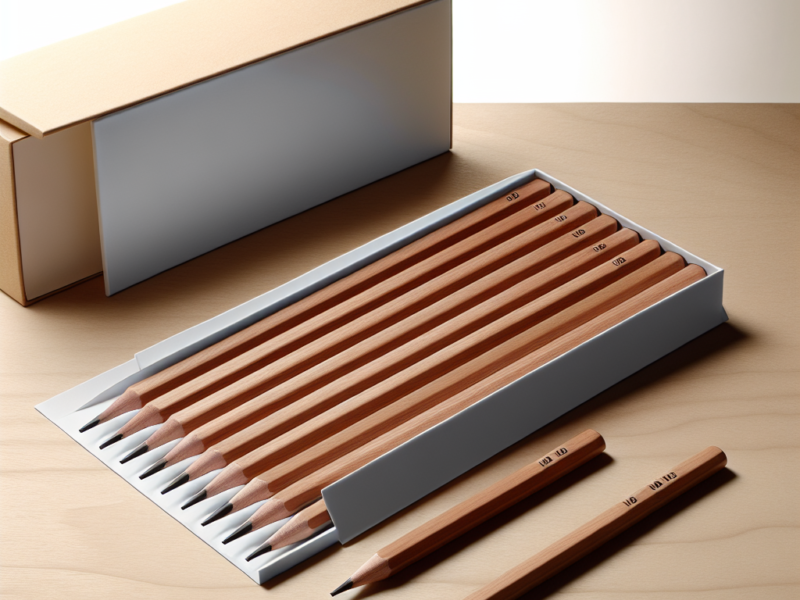
Private Label Pencils Wholesale Guide for OEM Buyers
In today’s competitive stationery market, private label pencils offer a unique opportunity for brands, retailers, and educational suppliers to create customized, high-quality products that reflect their identity and meet specific customer needs. For OEM buyers—especially those sourcing in bulk—understanding the nuances of pencil manufacturing, customization options, and supplier selection is key to launching a successful private label line.
This guide walks you through everything you need to know about working with an OEM pencil supplier, from core materials and design decisions to production timelines and quality assurance. Whether you’re building a school supply brand, expanding your art product line, or entering the promotional product market, this resource will help you make informed decisions that align with your goals.
Why Choose Private Label Pencils?
Private label pencils allow businesses to control product quality, branding, and pricing. Unlike reselling established brands, private labeling gives you full ownership of the end product, enabling better margins and customer loyalty. Here are some of the top reasons OEM buyers pursue this route:
- Brand Identity: Customize everything from barrel color to packaging, aligning with your brand aesthetics.
- Cost Efficiency: Bulk production through a trusted OEM pencil supplier lowers per-unit costs.
- Market Differentiation: Offer unique features like eco-friendly materials, special lead types, or custom packaging.
- Customer Loyalty: A consistent, branded product builds recognition and repeat purchases.
Whether you’re targeting artists, students, or promotional markets, a private label approach offers unmatched flexibility and control.
Understanding Pencil Types and Core Materials
Before selecting a manufacturer, it’s essential to understand the types of pencils available and how their construction affects performance. The core—or “lead”—is the heart of any pencil, influencing how it writes, shades, or colors. According to the CNPromo Colored Pencils Guide, core quality directly impacts user satisfaction, especially for colored pencils used in art and education.
| Core Type | Material | Best For | Pros | Cons |
|---|---|---|---|---|
| Graphite | Clay + Graphite Powder | Writing, sketching | Variety of hardness grades, erasable | Breaks if dropped |
| Colored Wax/Oil | Wax or oil base + pigment | Art, coloring | Vibrant color, smooth application | Can smudge, softer cores |
| Charcoal | Compressed charcoal | Fine art, shading | Rich blacks, expressive lines | Messy, fragile |
| Watercolor | Water-soluble pigment | Mixed media art | Blendable with water, versatile | Requires special paper/tools |
As an OEM buyer, selecting the right core depends on your target market. For example, schools may prioritize durability and erasability, while artists seek color richness and blendability.
Key Customization Options for OEM Pencil Production
One of the biggest advantages of private label pencils is the ability to tailor every aspect of the product. Here are the most common customization options available through OEM suppliers:
- Barrel Material: Choose from traditional wood (cedar, basswood), recycled materials, or paper-wrapped alternatives for eco-conscious branding.
- Shape: Round, hexagonal, or triangular barrels affect grip and writing comfort.
- Color and Finish: Full-color barrel printing, matte or glossy coatings, and foil stamping are available to enhance shelf appeal.
- Ferrule and Eraser: Add branded ferrules and erasers, or opt for eraserless designs based on your market needs.
- Packaging: Custom boxes, tins, or eco-friendly wraps help complete the brand experience.
These options allow you to create a pencil line that not only performs well but also stands out visually. A reliable OEM pencil supplier will offer guidance on what combinations work best for your application and budget.
Evaluating OEM Pencil Suppliers: What to Look For
Choosing the right manufacturing partner is critical to the success of your private label venture. Here’s what to evaluate when sourcing an OEM pencil supplier:
- Production Capabilities: Can they handle your desired volume and customization needs?
- Quality Control: Do they have in-house testing for breakage resistance, color consistency, and core alignment?
- Certifications: Look for ISO, FSC, and EN71 certifications, especially if selling in regulated markets like the EU or US.
- Lead Times: Understand their production and shipping timelines, including peak season delays.
- Communication: Responsive, transparent communication is essential for smooth collaboration.
Many reputable suppliers provide samples or small-batch runs before full-scale production. This allows you to test product quality before committing to large orders.
Workflow: From Concept to Delivery
Launching a private label pencil line involves several key phases. Here’s a simplified overview of the OEM workflow:
- Design Brief: Define your pencil type, core material, customization, and packaging needs.
- Prototype Creation: The supplier creates samples based on your specifications.
- Approval & Quotation: Once approved, you receive a final quote and production timeline.
- Mass Production: Manufacturing begins, often taking 30–60 days depending on complexity and volume.
- Quality Inspection: Products are tested for durability, print quality, and packaging integrity.
- Shipping & Delivery: Goods are shipped via your chosen logistics method (air, sea, or courier).
Maintaining clear communication with your OEM partner throughout this process ensures a smoother experience and reduces the risk of costly revisions.
Balancing Cost and Quality in Bulk Orders
As highlighted in the CNPromo wholesale guide, striking the right balance between cost and quality is essential. While it’s tempting to cut costs in large orders, sacrificing quality can damage your brand reputation and result in product returns.
Here are some cost-saving strategies that don’t compromise on quality:
- Opt for mid-tier core materials that offer good performance at lower cost.
- Use standard packaging sizes to reduce tooling fees.
- Order in larger batches to reduce per-unit pricing.
- Negotiate long-term contracts with your supplier for better rates.
Always request a detailed breakdown of production costs from your OEM pencil supplier. This transparency helps you identify areas where you can optimize without affecting product integrity.
Trends in Private Label Pencils for 2024 and Beyond
The global demand for customized stationery continues to grow, with several trends shaping the future of private label pencil production:
- Eco-Friendly Materials: Recycled wood, biodegradable packaging, and non-toxic pigments are increasingly in demand.
- Hybrid Utility: Pencils that combine graphite and color cores in one set appeal to multi-purpose users.
- Digital Integration: QR codes on packaging linking to drawing tutorials or brand communities.
- Minimalist Design: Sleek, unbranded aesthetics are trending in the premium art market.
Staying ahead of these trends can give your brand a competitive edge and appeal to niche audiences.
Conclusion: Build a Pencil Line That Reflects Your Vision
Launching a private label pencil product is more than just a sourcing decision—it’s a brand-building opportunity. By understanding core materials, customization options, and OEM workflows, you can create a product that meets your exact specifications and delights your customers.
Partnering with the right OEM pencil supplier is the cornerstone of this process. Look for manufacturing partners who align with your values, offer transparent communication, and have a proven track record of quality and compliance.
For further industry insights and sourcing tips, explore resources like the CNPromo Colored Pencils Wholesale Guide or visit reputable B2B platforms to compare supplier offerings and reviews.
With the right strategy, your private label pencil line can become a standout product in a crowded market—one sharpened to perfection.