
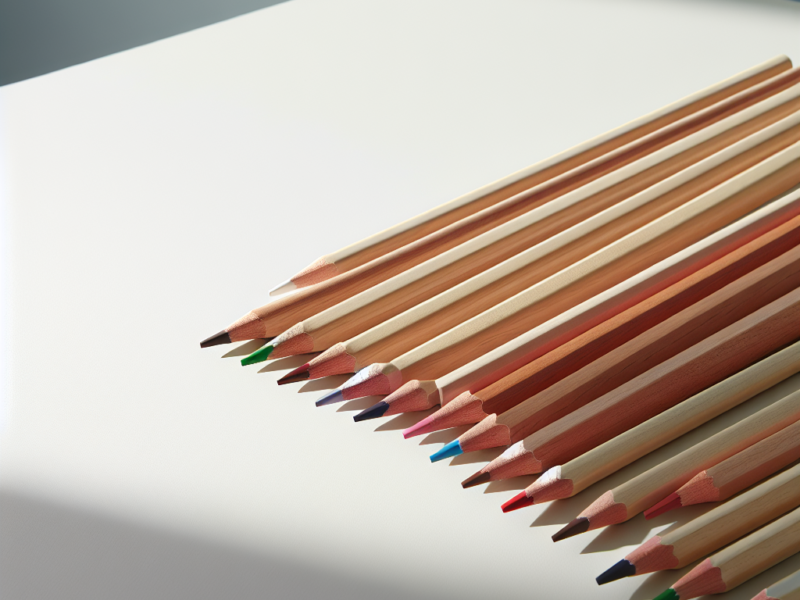
OEM Pencil Supplier Tips for Retail Chain Success
In today’s fast-paced retail environment, offering customized, brand-aligned products can give your store a competitive edge. For retail chains looking to expand their stationery or art supply lines, partnering with a reliable OEM pencil supplier is a strategic move. But not all suppliers are created equal. From safety regulations to quality consistency, there’s a lot to consider before launching your own line of private label pencils.
This guide explores the key factors that retailers should evaluate when sourcing pencils through OEM channels. Whether you’re a national chain or a growing boutique brand, understanding the nuances of custom pencil production can help you build a successful, compliant, and profitable product line.
Why Retail Chains Are Turning to OEM Pencil Suppliers
Original Equipment Manufacturing (OEM) allows retailers to outsource the production of goods to specialized manufacturers. In the case of pencils, this means a supplier produces pencils according to your brand’s specifications — from core hardness and wood type to packaging and logo placement.
Retailers benefit from this model because it reduces the need for in-house production infrastructure while enabling full control over branding and product features. With the rise of private label demand in the stationery sector, OEM pencil production has become a vital strategy for differentiation and margin improvement.
Choosing the Right OEM Pencil Supplier: What to Look For
Not every manufacturer is equipped to meet the demands of retail chains. Here’s what to prioritize when evaluating potential partners:
- Manufacturing Capacity: Can the supplier handle your volume requirements, including seasonal spikes?
- Customization Options: Do they offer flexibility in core types (graphite, colored, charcoal), barrel shapes, finishes, and packaging?
- Quality Control Systems: Are there processes in place to ensure consistent quality across batches?
- Compliance and Safety Certifications: Are the materials non-toxic, and do they meet U.S. and international safety standards?
- Communication and Lead Times: Is their team responsive, and can they deliver within your retail planning cycles?
Retailers should also consider whether the supplier has experience working with large chains or export markets. A supplier familiar with retail compliance and logistics will save you time and reduce risk.
Regulatory Compliance: A Non-Negotiable for Art Materials
One of the most overlooked — yet critical — aspects of sourcing private label pencils is regulatory compliance. In the United States, the sale of art supplies is governed by the Labeling of Hazardous Art Materials Act (LHAMA) and the Federal Hazardous Substances Act (FHSA). These regulations require that art materials, including colored pencils and graphite products, undergo toxicological review and carry appropriate labeling if any hazardous substances are present.
According to the Colored Pencil Society of America, a growing number of online pencil listings fail to meet these standards — especially those imported without proper documentation. This poses serious risks to consumers, particularly children and individuals with chemical sensitivities.
As a retailer, aligning with an OEM pencil supplier that adheres to LHAMA and FHSA ensures your products are safe and legally compliant. Ask for third-party test reports and confirm that the supplier uses ASTM D-4236 labeling (indicating toxicological review). Doing so protects your customers — and your brand reputation.
Customization That Sells: Design Elements That Matter
Once you’ve secured a compliant supplier, the next step is crafting a product that resonates with your target audience. Here are key customization areas to consider for your private label pencils:
- Barrel Shape: Traditional hexagonal, round, or triangular for ergonomic grip
- Core Type: HB, 2B, or specialty colored cores (wax-based, oil-based)
- Finish: Matte, glossy, natural wood, or dipped ends
- Branding: Laser engraving, screen printing, or foil stamping for logos
- Packaging: Eco-friendly boxes, blister packs, or custom tins
Customization isn’t just about aesthetics — it’s about market positioning. For example, eco-conscious consumers may prefer FSC-certified wood or recycled packaging. Artists might value smooth laydown and blendability in colored pencils. Understanding your customer base will guide the design process and help your OEM supplier deliver a product that aligns with your brand promise.
Quality Control: Avoiding Inconsistencies Across Batches
One of the biggest challenges with OEM production is maintaining consistent quality. Pencils may seem simple, but even minor variations in core alignment, wood grain, or lacquer finish can impact user experience — and trigger customer complaints.
To avoid this, ensure your OEM pencil supplier has robust quality control protocols. These may include:
- Incoming raw material inspections (wood slats, cores, paint)
- In-line production checks for core centering and bonding
- Final inspection for packaging, labeling, and print quality
Request samples from multiple production runs before signing a long-term agreement. A reputable supplier will gladly demonstrate their consistency and even allow on-site audits or third-party inspections.
Lead Times and Inventory Planning: Aligning With Your Retail Calendar
Retail chains operate on tight timelines, especially around back-to-school, holiday, and promotional seasons. Your OEM pencil supplier must be able to deliver within your planning window — which often means working backward from your in-store date, not theirs.
Typical lead times for custom pencils range from 30 to 90 days, depending on complexity and order volume. Add freight time, customs clearance, and buffer stock requirements, and you may need to plan 4–6 months in advance.
To streamline this process, choose a supplier experienced in retail logistics. Some offer warehousing or drop-shipping services, which can further reduce your fulfillment burden.
Ethical Sourcing and Sustainability: A Growing Priority
Today’s consumers and retailers are increasingly focused on sustainability and ethical sourcing. When selecting an OEM partner, ask about their environmental practices:
- Do they use sustainable wood sources (e.g., FSC-certified)?
- Are their paints and lacquers free from heavy metals?
- Do they offer biodegradable or recyclable packaging options?
- What are their labor practices and workplace safety standards?
Brands that communicate these values transparently can build stronger customer loyalty. For further reading, the Forest Stewardship Council (FSC) provides guidelines and certifications for responsible forestry, which many pencil manufacturers now follow.
Case Study: How Private Label Pencils Boosted a Retailer’s Art Category
One mid-sized U.S. retailer specializing in educational supplies partnered with an OEM pencil supplier to create a line of branded colored pencils. By focusing on classroom-safe formulations (AP-certified non-toxic), ergonomic design, and custom packaging with teacher tips, they carved out a niche in the school supply market.
Within 18 months, their private label pencils accounted for 35% of their art category sales — outperforming several national brands. The supplier’s ability to meet safety, customization, and delivery standards was instrumental in this success.
Final Thoughts: Building Long-Term OEM Partnerships
Launching a private label pencil line can be a powerful growth lever — but only if executed correctly. The right OEM pencil supplier becomes more than a manufacturer; they become a strategic partner in your retail journey.
From regulatory compliance and product design to logistics and sustainability, each element plays a role in your brand’s success. Take the time to vet suppliers thoroughly, and don’t hesitate to request documentation, samples, and references. A transparent, collaborative relationship is the foundation of a thriving private label program.
For more insights into art material safety and compliance, explore the Colored Pencil Society of America’s Buyer Beware report or visit the ASTM D-4236 standard for labeling requirements.