
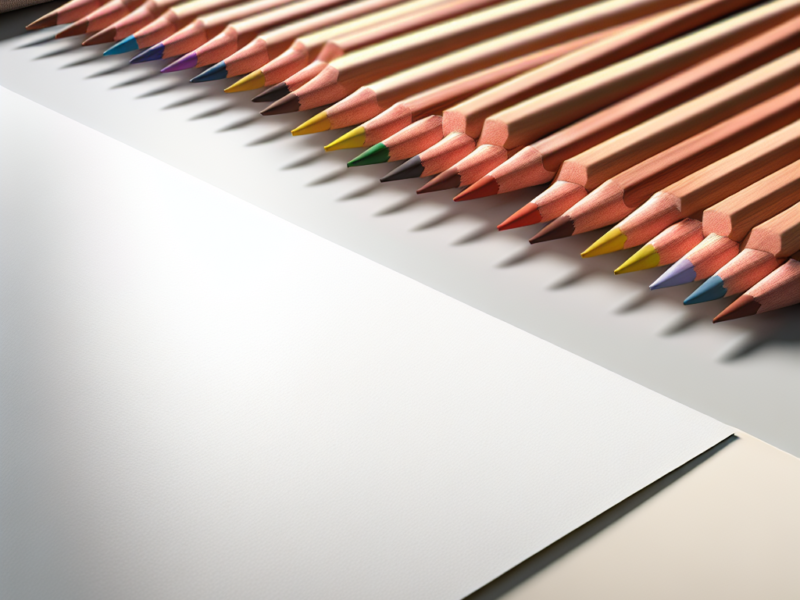
Top School Pencil Uses for Classrooms and Offices
In an era of tablets and touchscreens, the humble pencil remains a cornerstone of both education and professional environments. Whether it’s a student filling out a Scantron form or a designer sketching ideas in a brainstorming session, the pencil continues to play a vital role in productivity and creativity. Understanding the school pencil‘s versatility—and selecting the right type—can make a significant difference in writing comfort, legibility, and overall performance.
Why Pencils Still Matter in a Digital World
Despite the rise of digital tools, pencils offer a tactile, distraction-free medium that enhances focus and memory retention. In fact, studies have shown that handwriting notes—especially with pencils—can lead to better comprehension and recall compared to typing.
In classrooms, pencils are essential for developing fine motor skills in young learners. In offices, they’re favored for drafting, annotating, and sketching ideas that evolve through multiple iterations. The ability to erase and revise freely makes pencils uniquely suited for dynamic thinking.
Core Uses of School Pencils in Education
From kindergarten to college, the school pencil is a daily companion for students across age groups. Here are the key ways pencils are used in educational settings:
- Handwriting Practice: Graphite pencils, especially softer grades like 2B, are ideal for teaching children how to write letters and numbers. Their smooth flow and erasability support early learning.
- Test Taking: Standard No. 2 pencils (equivalent to HB) are required for filling out Scantron forms. Their graphite density ensures accurate machine reading.
- Note-Taking: A quality pencil with a firm but smooth lead helps students take legible notes quickly during lectures.
- Sketching and Diagrams: Science, math, and art classes often involve diagramming or freehand drawing. Pencils allow students to refine their work without messy cross-outs.
According to The New York Times’ Wirecutter review, pencils like the Palomino Golden Bear and the Mitsubishi 9850 offer excellent balance between smooth writing and clean erasing—making them ideal for students who need reliable performance during long study sessions or exams.
Professional Applications: Pencils in the Workplace
In office settings, the pencil is far more than a nostalgic tool. It serves practical purposes across a range of industries:
- Design and Architecture: Drafting professionals still rely on pencils for initial sketches, layout planning, and shading. Harder leads (H to 4H) are preferred for precise, clean lines.
- Project Planning: Pencils are excellent for whiteboarding or paper-based planning where tasks and timelines frequently change. The ability to erase is key.
- Editorial Work: Editors often use colored pencils or mechanical pencils to annotate manuscripts or proofs without damaging the original text.
- Creative Brainstorming: Many professionals prefer pencils for mind-mapping and creative sessions, where ideas flow freely and evolve quickly.
Mechanical pencils are particularly popular in professional environments due to their consistent line width and refillable design. Brands like Pentel and Rotring offer models that combine ergonomics with technical precision.
Choosing the Right Pencil for the Task
Not all pencils are created equal. The right choice depends on the intended use, writing surface, and user preference. Here’s a quick breakdown:
| Use Case | Recommended Pencil Type | Lead Grade |
|---|---|---|
| Handwriting & Note-taking | Wood-cased graphite pencil | HB or 2B |
| Exam/Test Forms | No. 2 pencil (Scantron compatible) | HB |
| Art & Sketching | Graphite drawing pencil set | 4H to 6B |
| Office Drafting | Mechanical pencil | H or 2H |
| Proofreading | Colored pencil or red pencil | N/A |
For more detailed comparisons of top-performing pencils, including hands-on reviews and durability tests, see this Wirecutter guide.
What to Look for in a Quality School Pencil
When you buy pencils for classroom or office use, consider these key attributes:
- Lead Quality: A good pencil should write smoothly without excessive pressure and resist breakage.
- Erasability: High-quality pencils erase cleanly without smudging or tearing the paper.
- Barrel Comfort: Hexagonal barrels offer better grip, while round barrels are preferred for artistic control.
- Durability: Look for well-bonded cores and strong wood casings that sharpen evenly.
- Eco-Friendliness: Many schools now prefer FSC-certified or recycled wood pencils to support sustainability goals.
Brands like Dixon Ticonderoga, Staedtler, and Faber-Castell consistently score well on these criteria, offering both affordability and performance.
Where to Buy Pencils: Tips for Schools and Offices
Finding the right pencil supplier is just as important as choosing the right pencil. Bulk purchasing can save money, but quality should never be compromised. Here’s how to source pencils effectively:
- Buy Direct from Manufacturers: For large institutions, working directly with OEM pencil manufacturers ensures consistent quality and cost control.
- Use Trusted Distributors: Reputable office supply distributors often carry certified brands and offer volume discounts.
- Check for Certifications: Look for ASTM D4236 and EN71 certifications for safety and non-toxicity—especially important for school use.
- Consider Local Suppliers: Supporting regional manufacturers can reduce shipping costs and lead times.
For those looking to buy pencils online, platforms like Pencils.com and JetPens offer curated selections of high-performance writing tools suitable for both students and professionals.
Beyond Graphite: Specialty Pencils Worth Knowing
While graphite pencils dominate academic and office use, specialty pencils also serve niche but important roles:
- Colored Pencils: Essential for art classes, map-making, and visual note-taking.
- Grease Pencils: Used for marking on glass, plastic, or metal surfaces in labs and warehouses.
- Carpenter Pencils: Flat-shaped pencils designed for marking rough surfaces in construction settings.
- Watercolor Pencils: Popular in creative education, these pencils blend with water for dynamic art projects.
Incorporating these tools into the classroom or office can expand creative possibilities and adapt to specialized tasks.
Final Thoughts: Small Tool, Big Impact
The pencil may be simple, but its role in learning, communication, and creativity is profound. Whether you’re a teacher stocking up for the school year or an office manager sourcing supplies for your team, choosing the right pencils—and the right pencil supplier—can elevate productivity and satisfaction across the board.
As technology continues to evolve, the pencil remains a timeless tool—reliable, adaptable, and essential. Make it a point to invest in quality pencils that support your goals, whether in the classroom, the boardroom, or the studio.