
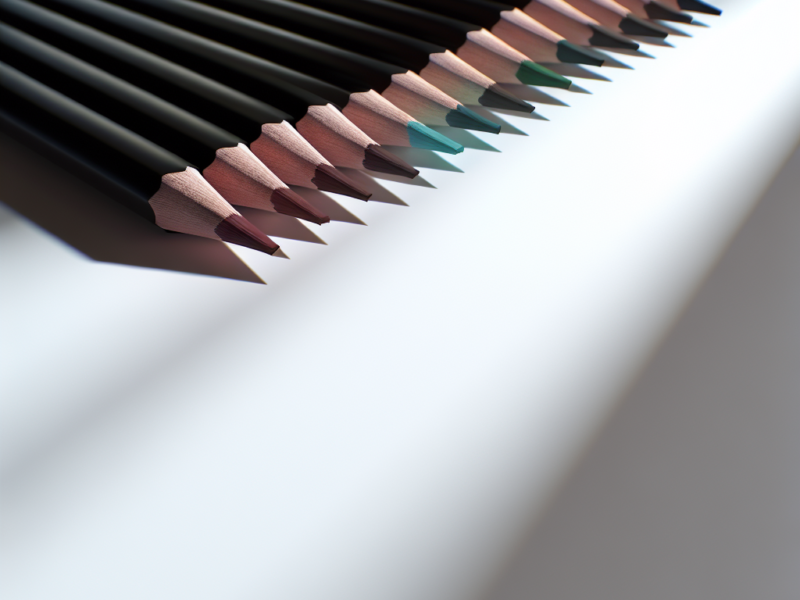
Black Wood Pencil Standards for Safe Buying
Whether you’re sourcing school supplies for a district, stocking an art store, or purchasing in bulk for your office, choosing the right black wood pencil isn’t as simple as it seems. Beneath the sleek coating and familiar hexagonal shape lies a world of manufacturing standards, safety certifications, and material quality that directly impact performance and health. In this guide, we’ll break down what to look for when you buy pencils—from lead core composition to wood casing integrity—so you can make informed, safe, and cost-effective decisions.
Why Standards Matter When Buying Black Wood Pencils
Black wood pencils are a staple in classrooms, art studios, and offices. But not all pencils are created equal. Poor-quality pencils may break easily, contain unsafe materials, or lack consistency in writing or drawing. For institutions and retailers, this translates to wasted resources, dissatisfied users, and potential safety hazards—especially for children.
That’s why understanding the standards behind these seemingly simple tools is critical. High-quality pencils are manufactured under strict guidelines that ensure safety, durability, and usability. These standards are not only a mark of product excellence but also a form of consumer protection.
Key Materials That Define Pencil Quality
At the heart of every pencil are two components: the core (commonly referred to as “lead”) and the wood casing. Each plays a distinct role in the pencil’s performance and safety profile.
Graphite Core: Despite the term “lead,” modern pencils use graphite mixed with clay to form the writing core. The ratio determines the hardness grade—from soft 6B to hard 9H. The most common grade for general use is HB, which offers a balanced combination of hardness and darkness.
Wood Casing: In black wood pencils, the casing is often dyed or naturally dark wood like basswood or incense cedar. The wood must be soft enough to sharpen smoothly but durable enough to resist splintering. Poor wood quality can lead to breakage and uneven sharpening, frustrating users and shortening the product’s lifespan.
What Safety Certifications Should You Look For?
When evaluating a pencil supplier, one of the first things to check is whether their products comply with internationally recognized safety standards. Two certifications are especially important:
- ASTM D4236: This U.S. standard ensures that art materials are labeled for chronic health hazards and meet labeling requirements. It’s essential for products used by children or in educational environments.
- EN71 Part 3: This European Union standard tests for the migration of certain elements—like lead, cadmium, and mercury—from toys and children’s products. Pencils that meet this standard are safe for use in schools and by younger users.
According to the IFRC Stationery Catalogue, a high-quality HB pencil should have a 3 mm diameter black lead core encased in wood that meets both ASTM D4236 and EN71 standards. These certifications ensure that the pencil is non-toxic and fit for use in humanitarian, educational, and professional settings.
How to Evaluate a Pencil Supplier
When sourcing black wood pencils, especially in bulk, choosing the right supplier is as important as evaluating the pencil itself. Here are some criteria to consider:
1. Certification Transparency: Reputable suppliers should provide documentation proving compliance with ASTM D4236, EN71, or similar standards. If these aren’t readily available, consider it a red flag.
2. Material Disclosure: Ask about the type of wood used, the graphite formula, and any coatings or lacquers applied. Eco-conscious buyers may also want FSC-certified wood for sustainable sourcing.
3. Manufacturing Consistency: Inconsistent pencil cores, off-center graphite, or rough wood finishes are signs of poor quality control. Request samples before placing a large order.
4. OEM/Private Label Capabilities: If you’re looking to white-label pencils under your own brand, ensure the supplier has experience with OEM or ODM production and can meet your branding and packaging requirements.
Common Pitfalls When Buying Pencils in Bulk
Bulk buying offers economies of scale, but it also magnifies risks. Here are a few mistakes to avoid when purchasing black wood pencils in large quantities:
- Ignoring Safety Compliance: Especially when importing from overseas, ensure the pencils meet your country’s safety regulations.
- Focusing Only on Price: Ultra-cheap pencils often cut corners on materials or safety. Factor in total value, including product lifespan and user satisfaction.
- Not Testing Samples: Always test for smoothness, breakage resistance, and sharpening quality before committing to a bulk order.
What Makes a Pencil “Premium”?
Premium black wood pencils aren’t just about aesthetics. They combine superior materials, ergonomic design, and reliable performance. Characteristics of top-tier pencils include:
- Centered graphite core to prevent breakage while sharpening
- Uniform graphite blend for consistent writing or shading
- High-quality wood casing that sharpens cleanly
- Non-toxic lacquer or coating with a smooth finish
- Certifications from recognized safety and quality bodies
Brands like Faber-Castell, Staedtler, and Mitsubishi have set benchmarks in this category, but many OEM manufacturers also produce high-grade pencils under private labels. If you’re seeking premium quality for resale or institutional use, ask your pencil supplier for detailed specs and third-party test reports.
Applications: Matching Pencil Type to Purpose
Understanding your end-use can guide your buying decision. Here’s how different environments benefit from specific pencil features:
Educational Use: Schools and learning centers typically require HB-grade pencils with safety certifications. Look for smooth writing, break-resistant cores, and soft wood for easy sharpening by children.
Artistic Use: Artists may prefer a range of graphite grades (from 6B to 4H) for shading and detailing. Here, consistency and core quality are paramount. Aesthetic finishes and brand reputation also play a role.
Office Use: Offices often favor mechanical pencils, but traditional black wood pencils offer a cost-effective, eco-friendly alternative. Here, durability and clean writing are key.
For more on pencil applications in education and humanitarian settings, the IFRC’s stationery standards are a useful industry benchmark.
Environmental and Ethical Considerations
In today’s conscientious market, buyers are increasingly prioritizing sustainability and ethical sourcing. When you buy pencils, consider the environmental impact of the materials used:
- FSC-Certified Wood: Ensures the wood was harvested responsibly and supports forest conservation.
- Non-toxic Coatings: Lacquers and paints should be free of heavy metals and safe for skin contact.
- Recyclable Packaging: Especially important for institutions and retailers looking to reduce waste.
Some suppliers also offer recycled wood or paper-based casings as eco-friendly alternatives. These may not perform identically to traditional wood pencils but can be suitable for promotional or short-term use.
Where to Source Reliable Black Wood Pencils
Depending on your needs—whether you’re a school district, retail buyer, or private label brand—your sourcing strategy will vary. Here are a few options:
- Direct from Manufacturers: Ideal for large volumes and custom branding. Look for ISO-certified factories with experience in OEM production.
- Wholesale Distributors: Offer flexibility in order size and faster delivery, but may have less customization.
- Online B2B Platforms: Sites like Alibaba and Global Sources list thousands of pencil suppliers. Always vet for certifications and request samples.
When evaluating suppliers, consider using third-party quality inspection services, especially for international orders. This ensures that what you receive matches what was promised.
Final Thoughts: Making a Safe and Smart Pencil Purchase
Black wood pencils may seem like a simple commodity, but the difference between a quality product and a subpar one can be significant—especially when safety, usability, and brand reputation are on the line. By understanding the standards, materials, and supplier practices behind these everyday tools, you can make smarter, safer purchases that serve your users well.
Whether you’re sourcing for a classroom or curating a premium stationery line, always prioritize certified materials, transparent suppliers, and consistent quality. In the end, a well-made pencil doesn’t just write well—it reflects your commitment to excellence.