
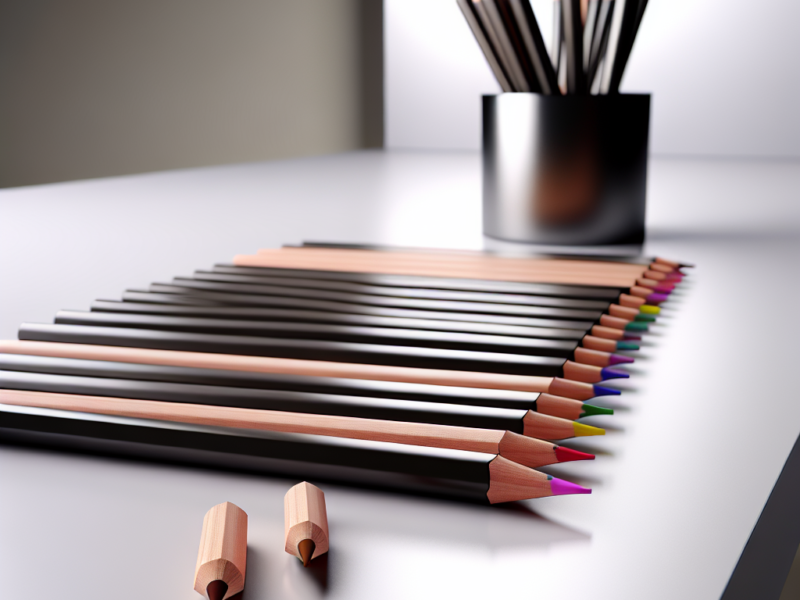
Charcoal Pencil Guide for Buyers and Suppliers
Whether you’re an artist searching for the perfect drawing tool or a pencil supplier evaluating stock for retail or OEM production, understanding the world of charcoal pencils is essential. These carbon-based tools offer unmatched depth and texture, bringing expressive power to sketching and fine art. But not all charcoal pencils are created equal — and for buyers and manufacturers alike, knowing the nuances can make all the difference.
What Makes a Charcoal Pencil Different?
Charcoal pencils are a staple in many artists’ toolkits, prized for their rich blacks and ability to create dramatic tonal contrasts. Unlike graphite pencils, which offer a wide spectrum of grades (from 9H to 9B), charcoal pencils are typically available in just three hardness levels: soft, medium, and hard. This simplicity, however, belies the complexity of their use and manufacture.
According to this resource on carbon-based drawing materials, charcoal pencils lack the extensive grading system found in graphite because of the inherent properties of charcoal itself. Soft charcoal delivers deep, velvety blacks ideal for shading and expressive strokes. Hard charcoal, while lighter in tone, allows for finer lines and more control — useful in detailed work.
Charcoal pencils are made by encasing compressed charcoal powder in a wooden or paper casing. The quality of the charcoal, the binder used, and the casing material all affect the final product. This variation is crucial for both end users and those looking to buy pencils in bulk or for private label production.
The Types of Charcoal in Use
Charcoal pencils can be made from different forms of charcoal, each with unique characteristics:
- Willow Charcoal: Lightweight and soft, it produces delicate, light marks. Often used in stick form but occasionally found in soft charcoal pencils.
- Vine Charcoal: Similar to willow but slightly denser; provides a balance of softness and control.
- Compressed Charcoal: Made from powdered charcoal mixed with a binder. This is the most common form used in charcoal pencils due to its versatility and intensity.
Compressed charcoal is favored in pencil form because it holds together well and can be sharpened easily. The binder — typically gum or wax — affects how the pencil glides on paper and how easily it smudges or erases.
Why Artists Choose Charcoal Over Graphite
While graphite pencils offer precision and a wide tonal range, charcoal provides something different: mood, drama, and texture. Charcoal’s matte finish and deep black tones are ideal for expressive drawings, portraiture, and gesture studies. It also allows for broader dynamic range in shading, especially when combined with blending tools or charcoal powder.
Charcoal is also more forgiving. Mistakes can be lifted with a kneaded eraser, and the material responds well to layering and smudging. This responsiveness gives artists a tactile, immersive experience — one that graphite can’t quite replicate.
For a deeper comparison between graphite and charcoal, this article on carbon-based drawing materials offers a thoughtful breakdown of their differences in use and feel.
Key Considerations for Buyers and Retailers
For art supply retailers and distributors, sourcing the right charcoal pencils requires attention to several critical factors:
- Hardness Range: Ensure you stock all three levels — soft, medium, and hard — to cater to different artistic needs.
- Packaging: Artists value protective and eco-friendly packaging. Pencil tins or cardboard boxes with foam inserts are preferred for premium sets.
- Sharpening Quality: Poorly bonded charcoal cores can crumble during sharpening. Test for break resistance and smooth sharpening performance.
- Branding and OEM Potential: If you’re working with a manufacturer, inquire about private label options, custom packaging, and minimum order quantities.
Retailers should also consider offering charcoal powder alongside pencils. Many artists use powder for background shading or mixed media work. It’s a natural upsell and reinforces your credibility as a comprehensive art supply source.
Insights for Pencil Suppliers and Manufacturers
For manufacturers and B2B suppliers, the charcoal pencil market presents both challenges and opportunities. Demand is steady, especially among fine artists, art schools, and animation studios. However, the lack of standardization across brands means quality control is paramount.
Here are three key areas to focus on:
- Raw Material Sourcing: High-grade charcoal powder should be consistent in particle size and purity. Impurities affect both color and texture.
- Binder Formulation: The choice of binder (gum arabic, wax, or synthetic resins) influences the pencil’s glide, smudge resistance, and drying behavior.
- Wood Casing: Basswood and incense cedar are preferred for their softness and ease of sharpening. Avoid hardwoods that splinter or resist machining.
OEM clients often request custom hardness levels or hybrid formulations (e.g., charcoal-graphite blends). Being able to accommodate such requests can set your factory apart in a competitive market.
For those looking to expand into manufacturing, Pencils.com offers a helpful overview of pencil production processes, including casing, bonding, and finishing.
Charcoal Pencil Grading: Why It’s Limited
One of the most striking differences between graphite and charcoal pencils is the limited grading system. While graphite pencils are graded from 9H (very hard) to 9B (very soft), charcoal pencils usually come in just three grades: soft, medium, and hard.
This is due to the nature of charcoal itself. Composed of carbonized organic material, charcoal doesn’t behave as predictably as graphite. Its structure makes it more brittle and variable, which limits the range of hardness levels that can be reliably produced and marketed.
For artists, this means they must rely more on technique and blending tools to achieve subtle tonal shifts. For suppliers, it simplifies inventory management but places greater importance on product quality and consistency within each grade.
Best Practices for Storing and Using Charcoal Pencils
Charcoal pencils are more fragile than their graphite counterparts and require careful handling. Here are a few tips worth passing on to customers — or considering when designing packaging:
- Store pencils in a dry, cool place to prevent the wood from warping and the charcoal from deteriorating.
- Use a hand-held sharpener with a wide blade or a sandpaper block to avoid breakage.
- Wrap pencil tips in foam or rubber sleeves for shipping or display purposes.
Educating your customers on proper use and care can reduce returns and increase satisfaction, especially for higher-end or imported products.
Emerging Trends in Charcoal Pencil Production
As sustainability becomes a priority, some manufacturers are exploring eco-friendly alternatives in charcoal pencil production. This includes:
- Using recycled wood or FSC-certified timber for pencil casings
- Replacing synthetic binders with natural gums
- Offering refillable or mechanical-style charcoal pencils to reduce waste
These innovations not only appeal to environmentally conscious consumers but also open new marketing angles for retailers and distributors. If you’re sourcing from overseas, be sure to check for compliance with environmental standards like REACH or ASTM D4236.
Final Thoughts: Matching the Right Product to the Right Market
Charcoal pencils occupy a unique space in the art supply ecosystem. They’re simple in form but rich in expressive potential — and their production requires both technical precision and material expertise. Whether you’re an artist, a retailer, or a pencil supplier, understanding the nuances of charcoal pencils helps you make smarter decisions.
For artists, it’s about finding the right tool for your style and technique. For suppliers, it’s about sourcing high-quality materials, understanding customer needs, and staying ahead of trends in production and sustainability.
If you’re looking to buy pencils for resale, OEM branding, or educational kits, consider including charcoal pencils as part of your core offering. Their versatility and enduring popularity make them a smart addition to any art supply lineup.