
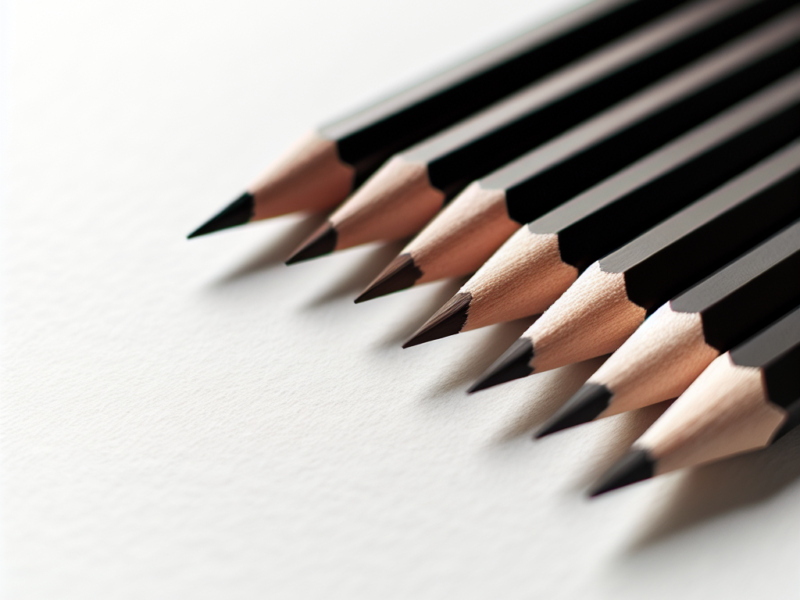
Colored Pencil Manufacturing Process for Pencil Suppliers
Colored pencils are more than just tools for art—they’re a fusion of chemistry, craftsmanship, and industrial precision. For any pencil supplier looking to expand their offerings or understand the intricacies of OEM production, knowing how colored pencils are made is essential. Whether you’re sourcing from a manufacturer or planning to buy pencils in bulk for resale, understanding the full production cycle ensures better quality control, smarter procurement decisions, and stronger market positioning.
Why Colored Pencil Manufacturing Matters for Suppliers
In the competitive stationery market, colored pencils hold a unique place. Their demand spans school supplies, fine art, and hobbyist markets. But not all colored pencils are created equal. The quality of the pigment, the smoothness of the core, the wood casing, and even the final finish can drastically affect user experience—and by extension, your brand reputation.
For pencil suppliers, understanding the production process allows for better collaboration with manufacturers, improved product customization, and more persuasive marketing based on real product knowledge.
Step-by-Step: How Colored Pencils Are Made
The manufacturing of colored pencils combines artistry with industrial engineering. Here’s a comprehensive breakdown of each stage.
1. Pigment and Binder Preparation
At the heart of every colored pencil is its core—often called the “lead,” though it contains no actual lead. The core is a blend of pigments, binders, and fillers. Pigments provide color, while binders (such as wax or oil) hold everything together and give the pencil its glide. Fillers like kaolin clay or talc adjust hardness and opacity.
High-end colored pencils often use oil-based binders for smoother blending and richer color laydown, while school-grade pencils typically use wax for cost efficiency. The precise formulation is a closely guarded secret for many brands, but suppliers should know the general composition to evaluate product quality.
2. Extrusion of Pencil Cores
Once mixed, the pigment-binder paste is extruded into long, thin rods—these are the pencil cores. The extrusion process ensures uniform diameter and consistency across batches. After extrusion, the cores are dried or baked to remove moisture and harden the material.
Some manufacturers use a cooling tunnel or drying oven, depending on whether the binder is wax- or oil-based. This step is critical: improperly dried cores can crack or crumble during sharpening, leading to customer complaints and returns.
3. Wood Casing and Grooving
The next step is encasing the colored core in wood. Cedar is the preferred material due to its softness and sharpening ease, but basswood and poplar are also used for budget lines. The wood slats are pre-grooved to hold the cores. Manufacturers apply glue into the grooves, insert the cores, and sandwich a second slat on top.
Once glued, the slats are pressed and left to dry under controlled humidity. This ensures a strong bond and prevents warping. After drying, the slats are cut into individual pencils using shaping machines that round or hex the pencil body.
4. Shaping, Sanding, and Lacquering
After shaping, the pencils are sanded to a smooth finish. This is followed by lacquering, which not only improves aesthetics but also protects the wood and prevents splintering. Colored pencils typically receive multiple coats of lacquer—often matching the core color for easy identification.
Some brands add a final UV coating for extra durability. For suppliers targeting the premium market, this finishing stage is crucial. A well-lacquered pencil looks professional and resists wear, making it more appealing on retail shelves.
5. Stamping and Branding
Once lacquered, pencils are stamped with the brand name, color code, or product information. This is often done using foil stamping or laser engraving, depending on the manufacturer’s capabilities. Custom OEM orders may include private labeling, barcodes, or even QR codes for digital integration.
For bulk buyers or private label brands, this is a key area to discuss with manufacturers. Clear, durable branding adds perceived value and helps build customer trust.
6. Quality Control and Inspection
Before packaging, pencils undergo rigorous quality checks. Manufacturers test for core centering, break resistance, color consistency, and smoothness. Misaligned cores can cause uneven sharpening and breakage—one of the most common customer complaints.
Suppliers should request detailed quality assurance protocols from their manufacturers. Certifications like ISO 9001 or EN71 (for toy safety) can be important indicators of manufacturing reliability.
7. Packaging and Distribution
Finally, pencils are sorted, boxed, and prepared for shipment. Packaging varies by market—school sets may come in cardboard boxes, while artist-grade pencils often use metal tins or wooden cases. Eco-conscious brands may opt for recycled materials or minimal packaging.
For more on sustainable packaging trends in stationery, see this industry overview.
Customization Options for OEM Buyers
OEM pencil production offers a wide range of customization options. These include:
- Core type (wax, oil, water-soluble)
- Wood species and finish
- Barrel shape (round, hexagonal, triangular)
- Lacquer color and design
- Tip pre-sharpening
- Packaging style and branding
For suppliers planning to buy pencils for resale, these variables can be tailored to match your target audience—whether it’s school supplies, professional artists, or promotional gifts.
Supply Chain Considerations for Pencil Suppliers
Beyond the manufacturing floor, suppliers must consider logistics, compliance, and vendor reliability. Lead times for colored pencil production can range from 30 to 90 days, depending on order volume and customization level. It’s essential to build relationships with manufacturers who offer transparency and flexibility.
To ensure ethical sourcing, many buyers now require FSC-certified wood and non-toxic pigments. For more on ethical sourcing in the pencil industry, refer to this FSC stationery certification guide.
Final Thoughts: Knowledge Is Leverage
Understanding the colored pencil manufacturing process isn’t just academic—it’s a strategic advantage. As a pencil supplier, this knowledge empowers you to make better sourcing decisions, communicate product value more effectively, and build stronger partnerships with OEM producers.
Whether you’re launching your own brand or expanding your product line, insight into how colored pencils are made gives you the confidence to navigate the supply chain with authority. And in a market where quality and trust are everything, that insight is invaluable.