
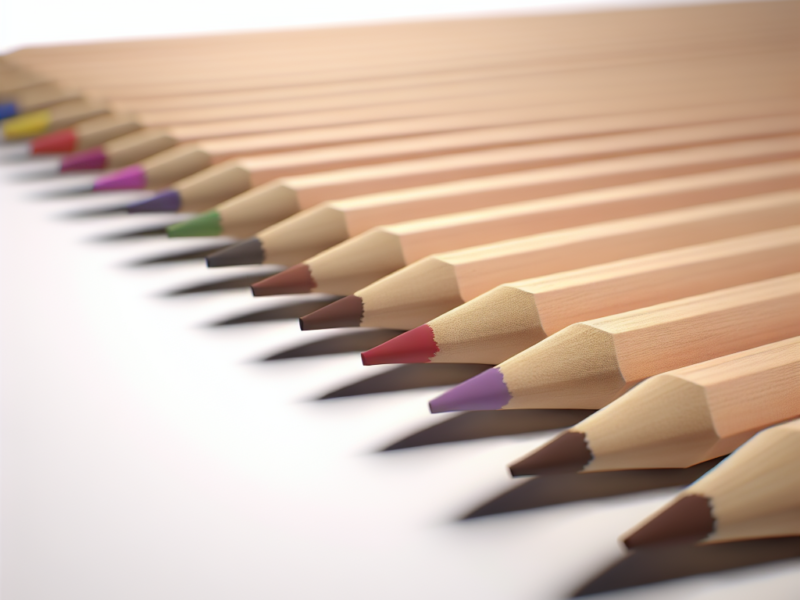
Import HB Pencil from China: Cost and Supplier Guide
Whether you’re a stationery brand, school supply distributor, or art supply retailer, sourcing pencils from China can unlock major cost advantages—if done right. The HB pencil, a staple in classrooms and offices worldwide, is one of the most commonly imported writing tools due to its universal grade and high demand. But navigating the process of finding the right pencil supplier and managing import costs can be complex without the right knowledge.
This guide breaks down the key steps to successfully buy pencils from China, covering everything from supplier selection to shipping logistics. With insights drawn from industry expertise and key sourcing frameworks, you’ll be equipped to import HB pencils efficiently and profitably.
Why Source HB Pencils from China?
China is the world’s largest manufacturer and exporter of stationery products, including pencils. The country’s mature supply chain, low labor costs, and high production capacity make it an ideal hub for wholesale pencil manufacturing. Many suppliers offer OEM and ODM services, allowing you to customize branding, packaging, and even lead composition to suit your market.
Chinese factories are also experienced in meeting international standards such as EN71, ASTM D4236, and FSC certification—crucial for educational or eco-conscious markets. When properly sourced, Chinese HB pencils can match or exceed Western quality benchmarks at a fraction of the price.
Understanding the HB Pencil: What You’re Actually Buying
The “HB” designation refers to the pencil’s graphite grade—right in the middle of the hardness scale. It’s versatile enough for both writing and sketching, making it the most widely used pencil type globally. When importing, you’ll want to clarify the following specifications with your supplier:
- Graphite core quality (consistency, smoothness, break resistance)
- Wood type (basswood, poplar, or incense cedar)
- Barrel shape (hexagonal, round, or triangular)
- Coating and finish (lacquer, printed design, or natural wood)
- Eraser type and ferrule material
- Packaging format (bulk, blister card, box set, etc.)
These details affect both price and performance, so it’s important to define your product requirements early in the sourcing process.
Finding a Reliable Pencil Supplier in China
One of the most critical steps is identifying a trustworthy manufacturer. While platforms like Alibaba and Made-in-China.com can help you browse options, due diligence is essential. Look for suppliers that:
- Have at least 3–5 years of export experience
- Offer product certifications and testing reports
- Are willing to provide samples before bulk orders
- Have a verifiable factory address and business license
Visiting trade fairs such as the Canton Fair or China Stationery Fair can also be a valuable way to meet suppliers face-to-face and inspect product quality firsthand.
For a more structured approach, the guide from Tonlexing on how to import stationery from China outlines a step-by-step process for evaluating suppliers, negotiating terms, and managing the legal aspects of international trade. It emphasizes the importance of written contracts, clear product specs, and understanding cultural nuances during negotiations.
Cost Breakdown: What Affects the Price of HB Pencils?
When calculating your landed cost per unit, consider the following components:
- Factory price: Typically $0.01–$0.05 per pencil, depending on quality and customization
- MOQ (Minimum Order Quantity): Often 10,000–50,000 units for OEM orders
- Tooling or mold fees: If you’re customizing ferrules, erasers, or packaging
- Shipping costs: Vary by weight, volume, and shipping method (sea freight is most economical for bulk)
- Import duties and taxes: Depends on your country’s HS code and trade agreements
To give a rough idea: a standard 12-pack of HB pencils might cost $0.12–$0.30 to produce in China, excluding freight and tariffs. Profit margins improve significantly at higher volumes due to economies of scale.
Shipping and Logistics: Getting Your Pencils Home
Once you’ve finalized your order, the next step is arranging shipment. Most pencil suppliers will offer FOB (Free on Board) pricing, meaning they handle delivery to the port, and you take over from there. You’ll need to work with a freight forwarder to manage:
- Container booking (LCL or FCL)
- Customs clearance
- Import documentation (commercial invoice, packing list, bill of lading)
- Final delivery to your warehouse or distribution center
For small orders or samples, air freight or courier services like DHL or FedEx are faster but more expensive. Sea freight is the most cost-effective for large volumes but takes 25–40 days depending on the route.
Quality Control and Inspection
Before your shipment leaves China, it’s wise to conduct a pre-shipment inspection—either through a third-party agency or your own sourcing team. Common quality issues with HB pencils include:
- Off-center graphite cores
- Chipping or splintering wood
- Uneven lacquer or printing
- Loose or misaligned erasers
Inspection services typically cost $200–$300 per day and can save you from costly returns or brand damage. If you’re working with a new supplier, consider starting with a trial order to validate quality before scaling up.
Private Labeling and OEM Options
Many Chinese pencil manufacturers offer full OEM capabilities, allowing you to create a branded product line. This includes custom barrel printing, eraser colors, packaging design, and even unique graphite formulas. If you’re targeting the educational, promotional, or art supply markets, private labeling can significantly boost brand value and customer loyalty.
Be sure to register your trademark in China if you plan to work long-term with a specific supplier. This protects your brand from copycats and gives you legal recourse in case of infringement.
Common Pitfalls to Avoid
Importing from China offers big rewards, but it’s not without risks. Here are some common mistakes to avoid:
- Choosing the cheapest supplier without verifying quality
- Failing to define product specs in writing
- Overlooking hidden costs like packaging or port fees
- Not planning for customs delays or documentation errors
- Skipping quality control inspections
To mitigate these risks, build strong communication with your supplier, establish clear contracts, and work with experienced logistics partners. For more on managing supplier relations, the Tonlexing guide offers practical tips on negotiation and cultural best practices.
Final Thoughts: Building a Sustainable Pencil Supply Chain
Importing HB pencils from China can be a smart move—both financially and strategically—if you approach it with the right information and partners. Focus on quality, transparency, and long-term relationships with your suppliers. With proper planning, you can bring high-quality, cost-effective pencils to your market while maintaining control over branding and product differentiation.
Whether you’re launching your own stationery brand or scaling an existing business, understanding the full import process will give you a competitive edge in the global supply chain.