
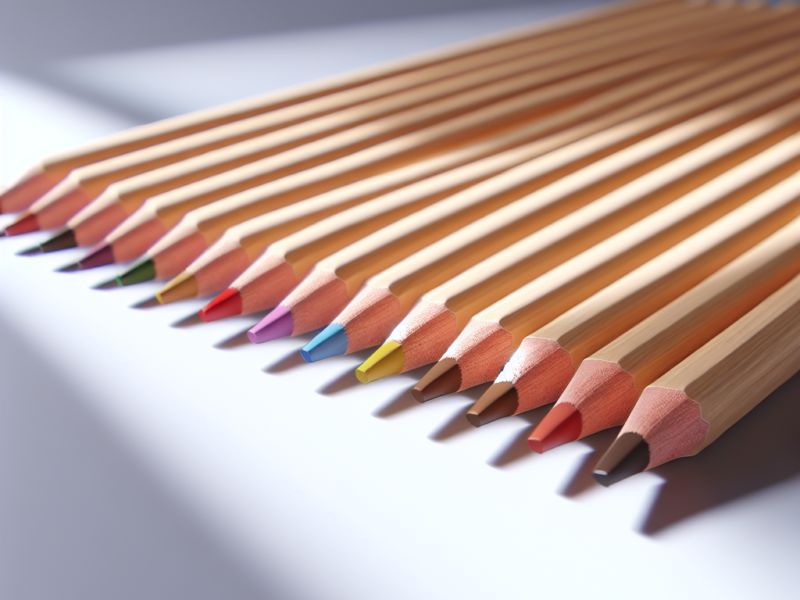
Import Charcoal Pencil from China Guide
Charcoal pencils are a staple for artists, illustrators, and designers worldwide. With their deep, rich tones and versatile application, they remain in high demand across creative industries and educational institutions. As global sourcing becomes more accessible, many businesses and art supply brands are looking to import charcoal pencil products from China — the world’s leading manufacturing hub for stationery. But navigating international trade can be complex without the right roadmap.
In this guide, we break down the essential steps to successfully import charcoal pencils from China, including how to identify a reliable pencil supplier, manage logistics, ensure quality, and stay compliant with international regulations. Whether you’re a small retailer, an art brand, or a procurement manager, this article will help you make informed decisions and avoid costly mistakes.
Why Source Charcoal Pencils from China?
China’s dominance in the stationery manufacturing sector is no accident. Decades of investment in infrastructure, skilled labor, and raw material sourcing have made it the go-to country for high-volume, cost-effective pencil production. When it comes to charcoal pencils specifically, Chinese factories offer a wide range of options — from entry-level student pencils to premium artist-grade lines with high carbon content and smooth laydown.
What makes China especially attractive is its capacity for OEM (Original Equipment Manufacturing). If you’re looking to buy pencils under your own brand, Chinese suppliers can often accommodate custom formulations, private labeling, and packaging design at scale.
Step 1: Understand the Charcoal Pencil Market
Before reaching out to suppliers, it’s critical to understand what you’re looking for. Charcoal pencils vary in hardness, core diameter, wood casing, and binder formulation. Some are pure charcoal, while others are mixed with graphite or clay for smoother application and less smudging. Decide whether you’re targeting professional artists, students, or hobbyists — this will influence the grade and price point of the product you import.
Also, determine whether you need accessories like erasers, sharpeners, or blending stumps to be bundled. Many Chinese suppliers offer full art kits, which can be more cost-effective when importing in bulk.
Step 2: Find a Reliable Pencil Supplier
Finding a trustworthy supplier is the cornerstone of a successful import. Start by exploring B2B platforms like Alibaba, Made-in-China, or Global Sources. Use filters to narrow down verified suppliers with export experience and strong customer reviews. Look for companies specializing in art supplies or pencils with a clear product catalog and factory certifications (ISO, FSC, or BSCI).
It’s also wise to request samples before committing to a larger order. Evaluate the pencil’s build quality, smoothness, break resistance, and packaging. Ask for specifications like charcoal content, hardness scale, and whether the wood is sustainably sourced.
For more detailed supplier sourcing practices, refer to this excellent industry resource: How to Import Stationery and Office Supplies from China. It offers a step-by-step breakdown on identifying legitimate manufacturers and navigating supplier negotiations.
Step 3: Navigate OEM and Customization Options
If you plan to sell under your own brand, inquire about OEM services. Most large Chinese factories are equipped to handle logo printing, branded packaging, and even custom pencil formulations. Be clear about your requirements and ensure that your supplier can meet them consistently.
When discussing customization, confirm:
- Minimum Order Quantities (MOQs) for custom branding
- Lead times for production and shipping
- Packaging design support and file format requirements
Some suppliers may also allow you to visit their factory or offer virtual tours. This can be invaluable for verifying production capabilities and ethical standards.
Step 4: Quality Control and Compliance
Quality assurance is non-negotiable. Charcoal pencils must meet safety and performance standards, especially if sold in markets like the EU or US. Confirm that your supplier follows relevant safety protocols — including EN71, ASTM D4236, or REACH compliance — depending on your destination market.
Consider hiring a third-party inspection agency to conduct pre-shipment checks. These services can verify product quality, packaging accuracy, and labeling compliance before the goods leave China. Companies like SGS, Intertek, or QIMA offer such inspections and can save you from receiving subpar inventory.
For more on compliance and quality assurance, see this helpful resource from the industry: China Standards for Trade.
Step 5: Shipping and Logistics
Once your order is ready, you’ll need to choose a shipping method. For large volumes, sea freight is the most cost-effective, though it takes longer (typically 4–6 weeks). For smaller or urgent shipments, air freight is faster but more expensive. Work with a freight forwarder who understands customs clearance and can provide door-to-door service.
Be aware of Incoterms (International Commercial Terms) when negotiating with suppliers. Common terms include FOB (Free On Board) and CIF (Cost, Insurance, Freight). Know what’s included in your price quote to avoid hidden costs.
Also, factor in import duties, taxes, and customs brokerage fees in your destination country. These can significantly impact your landed cost and profit margins.
Step 6: Plan for Inventory and Reordering
Once your first shipment arrives, track sales performance and customer feedback closely. This will help you refine your next order — whether that’s adjusting product specs, packaging, or quantities. Building a long-term relationship with your supplier can unlock better pricing, faster turnaround, and more favorable terms over time.
Consider setting up a reorder schedule based on lead times and demand forecasts. Some importers also use bonded warehouses or fulfillment centers to streamline inventory management and reduce shipping delays.
Common Pitfalls to Avoid
Importing pencils from China is relatively straightforward, but there are a few traps to watch for:
- Choosing a supplier based solely on price without vetting quality
- Failing to clarify product specs and packaging details in writing
- Ignoring compliance requirements for your target market
- Underestimating shipping costs and lead times
Mitigate these risks by maintaining clear communication, using contracts or purchase agreements, and keeping detailed records of every transaction.
Conclusion: Building a Sustainable Import Strategy
Importing charcoal pencil products from China can be a smart, scalable move for businesses in the art and stationery space. By understanding the market, sourcing the right supplier, and managing logistics effectively, you can build a reliable supply chain that supports your brand’s growth and reputation.
Ultimately, success in importing is about more than just cost savings — it’s about consistency, quality, and long-term partnerships. With the right approach, you can tap into China’s manufacturing power while delivering exceptional value to your customers.
For a deeper dive into stationery import logistics and supplier management, we recommend reading: Tonlexing’s 2025 Guide to Importing Stationery.