
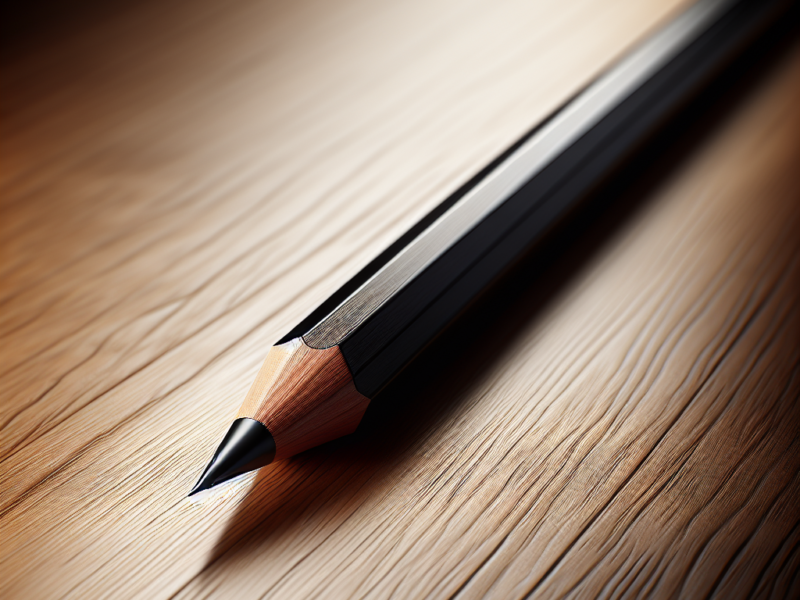
Black Wood Pencil Safety Standards for Buyers
Whether you’re sourcing for a retail brand, school supply chain, or promotional product line, choosing the right black wood pencil involves more than just aesthetics and price. Safety standards, material compliance, and responsible manufacturing practices are non-negotiable—especially in today’s global market where consumer protection and sustainability are under a microscope.
This article explores the essential safety standards surrounding black wood pencils, what buyers need to look for in a reliable pencil supplier, and how to ensure your pencil sourcing aligns with international regulations and ethical practices.
Why Pencil Safety Standards Matter
Pencils are often used by children, artists, and professionals alike. But not all pencils are created equal—especially when it comes to safety. The materials used in the wood, lacquer, graphite core, and eraser can pose risks if they contain harmful substances like lead, phthalates, or heavy metals.
For buyers, particularly those sourcing pencils in bulk or for resale, understanding safety regulations is crucial. Non-compliance can lead to product recalls, brand damage, or even legal action. More importantly, it ensures that end users—especially children—are protected from exposure to toxic materials.
Key Safety Certifications and Regulations
When you buy pencils for commercial or educational use, these are the primary certifications and standards to look for:
- EN 71 (Europe): This standard ensures that toys and writing instruments are safe for children. EN 71-3 specifically checks for the migration of harmful elements like lead, arsenic, and cadmium from materials.
- ASTM D4236 (USA): Required for art materials in the U.S., this standard mandates that products be evaluated for chronic health hazards by a toxicologist.
- REACH Compliance (EU): Ensures that chemical substances used in manufacturing are registered and safe under the European Chemicals Agency (ECHA).
- CPSIA (USA): The Consumer Product Safety Improvement Act sets limits on lead and phthalates in products intended for children under 12.
- ISO 8124 (International): Similar to EN 71, this standard provides guidance on the safety of toys and children’s products, including pencils.
Make sure your supplier can provide test reports and compliance documents from accredited third-party labs. These should be recent (within 12–24 months) and specific to the exact product SKU you’re purchasing.
Material Considerations in Black Wood Pencils
The sleek, matte finish of a black wood pencil is often achieved using pigmented lacquer or dyed wood. However, these aesthetic choices can introduce safety concerns if not properly managed during production.
Here’s what to watch for:
- Wood Source: Sustainable wood like incense cedar, basswood, or poplar is preferred. Avoid unknown tropical hardwoods that may be illegally harvested or chemically treated.
- Lacquer Coating: Ensure the black coating is free from lead-based pigments or solvents that emit volatile organic compounds (VOCs).
- Graphite Core: The core should be a mix of graphite and clay, not recycled materials that may contain contaminants.
- Eraser Tips: Phthalate-free PVC or thermoplastic rubber (TPR) is now standard among reputable manufacturers.
For a deeper dive into safe materials in school supplies, the Center for Environmental Health offers additional guidance on toxic-free sourcing.
How to Vet a Pencil Supplier
Choosing a compliant and ethical pencil supplier is as important as understanding the product itself. Here are five essential questions to ask during the vetting process:
- Do you provide third-party safety certifications? Always ask for test reports from labs like SGS, Intertek, or TÜV.
- Can I visit your factory or request a virtual audit? Transparency in the manufacturing process is a strong indicator of supplier integrity.
- What materials do you use, and where are they sourced? Suppliers should be able to trace their raw materials back to certified sources.
- Do you offer OEM or private label services? If you’re building a brand, ensure they can meet your customization and packaging needs without compromising compliance.
- What is your quality control process? Look for suppliers with ISO 9001 certification and in-house QC teams.
For more on ethical sourcing and supplier evaluation, the SMETA audit framework is a valuable industry reference.
Packaging and Labeling Requirements
Even if the pencil itself is safe, improper labeling can lead to customs delays or regulatory issues. Always ensure your packaging includes:
- Product name and SKU
- Manufacturer or importer address
- Age recommendation (e.g., “Not suitable for children under 3 years”)
- Compliance labels (e.g., CE mark, ASTM D4236, CPSIA)
- Batch number or production date for traceability
If you’re distributing in multiple countries, multilingual labeling may be required. Work with your supplier to ensure packaging meets the local regulations of your target markets.
Risks of Non-Compliant Pencils
Ignoring safety standards when sourcing black wood pencils can have serious consequences:
- Health Hazards: Exposure to toxic substances like lead or formaldehyde can cause long-term damage, especially in children.
- Legal Liability: Non-compliant products can result in fines, lawsuits, or bans from entering certain markets.
- Brand Reputation: A single safety violation can damage your brand’s trustworthiness, especially in education or retail sectors.
- Supply Chain Disruption: Rejected shipments or product recalls can halt your operations and incur significant costs.
In short, cutting corners on safety isn’t worth the risk. Responsible sourcing protects both your business and your customers.
Final Thoughts: Prioritize Safety and Transparency
The appeal of a sleek black wood pencil lies in its minimalist design and professional finish—but behind that simplicity is a complex network of compliance, quality control, and ethical sourcing. As a buyer, your responsibility is to ensure that every pencil you distribute meets the highest safety standards, from raw materials to final packaging.
By partnering with a reputable pencil supplier who understands international regulations and values transparency, you not only protect your brand—you contribute to a safer, more sustainable supply chain for one of the world’s most essential writing tools.
Looking to deepen your understanding of pencil manufacturing? Explore this step-by-step guide to pencil production from Pencils.com.