
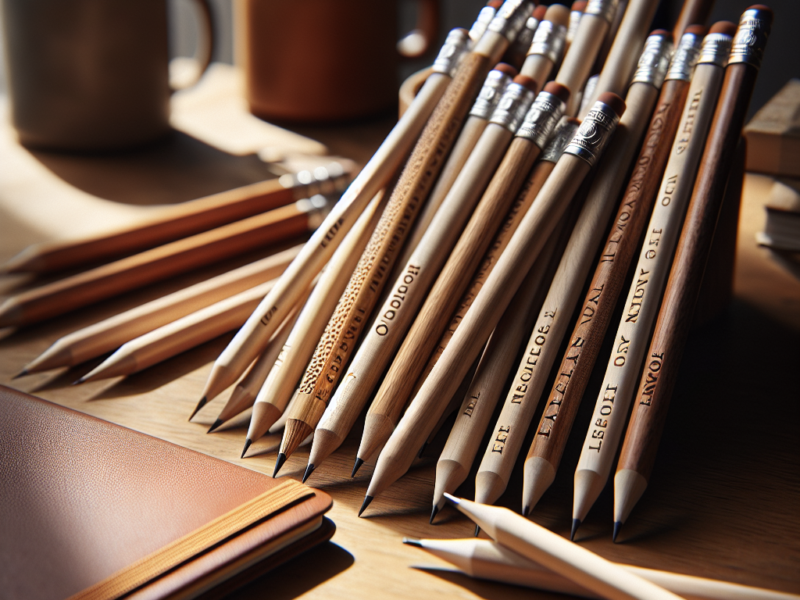
Beginner Guide to Wooden Personalized Pencil Choices
Whether you’re a student, artist, educator, or simply a fan of analog tools, choosing the right pencil can elevate your writing or drawing experience. If you’re exploring wooden personalized pencil options, you’re not just selecting a writing instrument — you’re choosing a blend of craftsmanship, sustainability, and personal expression. This beginner-friendly guide breaks down everything you need to know, from wood types to eco-conscious manufacturing, and even tips for proper pencil storage.
Why Choose Wooden Personalized Pencils?
In a digital world, the tactile satisfaction of a wooden pencil still holds strong appeal. Personalized wooden pencils go a step further, combining function with identity. Whether engraved with your name, a company logo, or a motivational quote, they offer a sense of ownership and make thoughtful gifts or branding tools.
But beyond aesthetics, wooden pencils are valued for their balance, control, and traditional feel — qualities that mechanical alternatives often lack. And with the rise of sustainable materials and ethical production, your pencil choice can also reflect your environmental values.
Wood vs. Mechanical: What Beginners Should Know
One of the first decisions you’ll face is choosing between wooden and mechanical pencils. While both have their place, understanding the differences can help you make an informed decision.
Wooden pencils offer a natural grip and a consistent tactile experience. They’re ideal for sketching, shading, and general writing. Once sharpened, the exposed graphite provides a soft, variable line quality that artists and writers often prefer.
In contrast, mechanical pencils use refillable leads and maintain a consistent line width. They’re great for technical drawing and note-taking but lack the warmth and character of wood. For beginners, especially those interested in personalization or eco-conscious choices, wooden pencils are often the better starting point.
Understanding Pencil Manufacturing: From Forest to Desk
To appreciate the value of a personalized wooden pencil, it helps to understand how it’s made. Quality starts with the wood — typically cedar, basswood, or jelutong — chosen for its softness and smooth grain. The wood is cut into slats, dried, and grooved to hold the graphite core. After sandwiching the core between two slats, the pencil is shaped, painted, and personalized through stamping or laser engraving.
Modern manufacturing emphasizes precision and sustainability. Many companies now source FSC-certified wood and use non-toxic finishes. Some even offer OEM (original equipment manufacturer) services, allowing businesses and schools to create custom pencil lines with unique branding or educational themes.
For a deeper look into sustainable pencil production, the article “Eco Pencils for Students – Write, Learn, and Grow Green” highlights how eco-friendly materials are transforming traditional manufacturing. These pencils use biodegradable or recycled components and are increasingly popular in schools aiming to promote environmental awareness.
Eco-Friendly Personalized Pencils: A Conscious Choice
As environmental concerns grow, so does the demand for green alternatives. Eco pencils are a response to the deforestation and waste associated with traditional pencil production. They often feature:
- Recycled paper or newspaper barrels
- Biodegradable packaging
- Non-toxic, water-based paints
- FSC-certified or reclaimed wood
Personalization doesn’t have to compromise sustainability. Many eco-pencil manufacturers now offer engraving or branding using laser methods that don’t require additional inks or chemicals. These choices align with broader initiatives in education and corporate responsibility, making them ideal for schools, NGOs, and eco-conscious brands.
For example, Parv Exports emphasizes how introducing eco pencils in schools helps instill green habits from a young age — a small but impactful step toward long-term environmental awareness.
Types of Wood Commonly Used in Personalized Pencils
Not all wooden pencils are created equal. The type of wood used affects not just the look and feel of the pencil, but also its durability and environmental footprint. Here are a few common choices:
- Cedar: Premium choice for its softness, aroma, and ease of sharpening. Often used in high-end personalized pencils.
- Basswood: A cost-effective alternative, lighter in color and slightly harder than cedar. Common in school-grade pencils.
- Jelutong: A tropical wood known for its fine grain and sustainability when responsibly harvested.
- Recycled paper: While not technically wood, this alternative mimics the feel of traditional pencils and is ideal for eco-conscious users.
When ordering custom pencils, it’s worth asking your supplier about the wood source and sustainability certifications. This ensures your personalized item aligns with your values and quality expectations.
Personalization Techniques: From Engraving to Full-Color Branding
Personalized wooden pencils can be tailored in several ways, depending on your purpose and budget. Here are the most common methods:
- Laser engraving: Precise and permanent, ideal for names, logos, or intricate designs. Works best on natural wood finishes.
- Foil stamping: Adds a metallic sheen, commonly used for gold or silver text. Elegant and eye-catching.
- Screen printing: Allows for full-color logos or messages. Suitable for promotional giveaways or school branding.
Each technique has its own visual and tactile impact. For personal gifts or artisanal branding, engraving offers a timeless appeal. For marketing campaigns, screen printing provides more flexibility in color and design.
Storage Tips for Preserving Your Personalized Pencils
Once you’ve invested in quality personalized pencils, proper storage is key to maintaining their condition and usability. Here are some practical storage tips to keep in mind:
- Keep them dry: Moisture can warp wood and damage the core. Store in a cool, dry place away from direct sunlight.
- Use pencil cases or tubes: Prevent breakage and preserve engravings by storing pencils in protective containers.
- Separate sharpened from unsharpened: To avoid graphite smudging or tip damage, organize pencils by sharpening status.
- Avoid over-sharpening: A long, exposed core is more likely to snap. Sharpen only as needed and use quality sharpeners.
For collectors or professionals, consider wooden pencil boxes with individual slots. These not only protect your tools but also showcase them beautifully on a desk or shelf.
Choosing the Right Pencil for Your Purpose
With so many options available, how do you choose the right personalized pencil? Start by identifying your primary use:
- Everyday writing: Choose HB-grade pencils with smooth wood and comfortable grip. Personalize with your name or a motivational quote.
- Art and sketching: Go for a range of grades (2B–6B) in high-quality cedar. Engraving helps keep track of your tools.
- Promotional use: Opt for bulk-order screen-printed pencils with your logo. Eco-friendly options enhance your brand image.
- Educational settings: Consider eco pencils with school branding to promote sustainability among students.
Don’t hesitate to request samples from manufacturers before placing large orders. The feel, weight, and finish can vary significantly between batches and brands.
Final Thoughts: Small Tools, Big Impact
A personalized wooden pencil may seem like a small item, but it carries weight — in craftsmanship, sustainability, and personal meaning. Whether you’re buying for yourself, your brand, or your classroom, understanding the manufacturing basics and eco-friendly alternatives helps you make smarter, more responsible choices.
As demand grows for greener, more customized stationery, wooden personalized pencils stand at the intersection of tradition and innovation. They’re not just tools — they’re statements.
For further reading on sustainable stationery and ethical production, check out this overview of FSC-certified wood practices and this guide to how pencils are made.