
Artist Pencils Guide: Grades, Grip, and Selection
Every stroke of a pencil begins with a choice—one that can define the depth, tone, and expression of your artwork. Whether you’re sketching a delicate portrait or shading a dramatic landscape, understanding the tools in your hand is essential. This guide dives into the world of artist pencils, focusing on three critical aspects: pencil grades, ergonomic grip, and how to select the right pencil for your creative goals.
Understanding Pencil Grades: The Foundation of Artistic Expression
Graphite pencils are classified by a grading system that reflects the hardness or softness of the graphite core. This system ranges from 9H (extremely hard) to 9B (very soft), with HB sitting at the midpoint. The letter ‘H’ stands for hard, while ‘B’ indicates blackness, or softness. The higher the number, the more extreme the characteristics.
Harder pencils (6H–9H) produce lighter, finer lines and are ideal for technical drawing or initial sketch outlines. Softer pencils (6B–9B), on the other hand, lay down rich, dark tones perfect for shading and expressive line work. The HB pencil, commonly used in schools and offices, strikes a balance between the two, making it a versatile starting point for beginners.
According to Toad Hollow Studio’s beginner guide, choosing the right grade depends on your technique and medium. For example, a portrait artist may work through a range of grades—from H pencils for initial outlines to B pencils for shadows and depth.
Here’s a quick breakdown of common use cases:
- H–3H: Architectural drawings, light sketching, fine detailing
- HB–B: General sketching, outlines, balanced tone
- 2B–6B: Shading, expressive strokes, mid-to-dark tones
- 7B–9B: Deep shadows, bold contrasts, texture emphasis
Experimenting with different grades helps artists understand the tonal range and layering potential of graphite. A well-rounded pencil set will typically include a spectrum from 2H to 6B, offering flexibility for most drawing styles.
Ergonomic Grip: Comfort Meets Control
While pencil grade affects the mark on the page, the grip affects how long and how comfortably you can make those marks. An ergonomic grip is especially important for artists who draw for extended periods or have hand strain concerns.
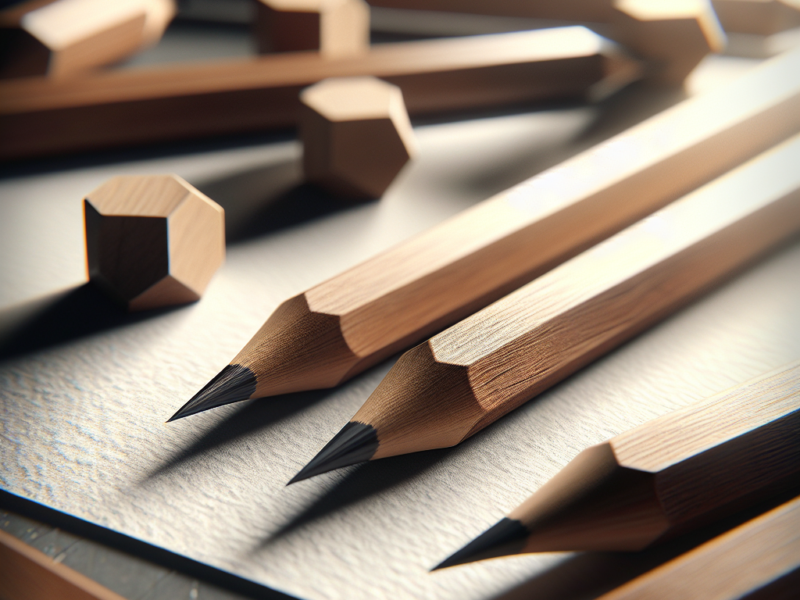
Traditional hexagonal pencils offer a classic feel and prevent rolling, but they can dig into fingers over time. Triangular barrels, like those found in Faber-Castell’s Grip 2001 series, promote a more natural hand position. Some brands also feature cushioned or rubberized grips to reduce fatigue.
For artists with repetitive strain injuries or arthritis, oversized or contoured grips can make a significant difference. Pencil extenders and grip sleeves are also available to retrofit standard pencils for better ergonomics.
When choosing a pencil, consider the following ergonomic factors:
- Barrel shape: Triangular for comfort, hexagonal for control
- Surface texture: Matte finishes reduce slippage
- Weight balance: Heavier pencils can aid control but may tire the hand
Comfort directly influences control, which in turn affects line quality and consistency. That’s why many professional artists invest in tools that support both precision and endurance.
How to Select the Right Artist Pencils for Your Work
Selecting the right pencil isn’t just about grade or grip—it’s about matching the tool to your medium, technique, and creative goals. Here’s how to approach your selection process with intention.
1. Match Pencil Grades to Your Drawing Style
If you lean toward realism, you’ll likely need a broader range of grades to capture subtle tone shifts. Landscape artists often rely on softer pencils to achieve rich textures and contrast. Meanwhile, illustrators may favor the control of HB and H pencils for line clarity.
Start with a basic set (e.g., 2H, HB, 2B, 4B, 6B) and expand as needed. Keep in mind that different manufacturers may vary slightly in graphite formulation, so a 2B from Staedtler might feel different from a 2B from Derwent.
2. Consider Surface and Paper Texture
The tooth of your paper affects how the pencil interacts with the surface. Smooth papers (like Bristol board) pair well with harder pencils for clean lines, while textured papers (like cold press) hold graphite from softer pencils better, enhancing shading and depth.
Adjust your pencil choice based on your paper. For example, when working on a rough sketchpad, a 4H pencil may barely register, while a 4B will glide smoothly and leave a rich tone.
3. Prioritize Comfort for Long Sessions
If you draw for hours at a time, hand fatigue is inevitable without the right grip. Test different barrel shapes and weights before committing to a full set. Brands like Tombow and Mitsubishi Hi-Uni offer artist-grade pencils with thoughtful ergonomic design.
Some artists also prefer mechanical graphite holders (clutch pencils), which allow for consistent line thickness and replaceable leads. These typically use 2mm graphite sticks and can be paired with custom grips for better comfort.
4. Look Beyond the Pencil
Your pencil is part of a broader toolkit. Erasers, blenders, and sharpeners all influence the final result. Use kneaded erasers for subtle highlights, and paper stumps for smooth gradients. A poorly sharpened pencil can hinder your control, so opt for a precision sharpener or sandpaper block for custom tips.
For a deeper dive into complementary tools, the Toad Hollow Studio guide offers useful insights on erasers and blending tools that pair well with graphite pencils.
From OEM to Artist: The Manufacturing Side of Artist Pencils
Behind every artist pencil is a manufacturing process that balances precision with craftsmanship. OEM (original equipment manufacturer) pencil producers must consider graphite formulation, wood casing, bonding adhesives, and quality control to produce consistent results.
Premium pencils often use incense cedar or basswood for smooth sharpening and durability. The graphite core is a blend of graphite powder and clay, kiln-fired to specific hardness levels. The ratio of graphite to clay determines the grade—more clay means a harder pencil.
Brands like Caran d’Ache and Staedtler invest heavily in consistency, ensuring that each pencil in a set behaves predictably. This consistency is vital for professional artists who rely on muscle memory and tonal control.
If you’re interested in how pencils are made, Pencils.com offers a detailed look into the pencil manufacturing process, from raw materials to final packaging.
Final Thoughts: Choose with Intention, Create with Confidence
Your pencil may seem like a humble tool, but in the hands of an informed artist, it becomes a versatile instrument for storytelling, emotion, and technique. By understanding artist pencils—from grade to grip—you empower your creative process with clarity and control.
Whether you’re just beginning your artistic journey or refining your professional toolkit, take the time to explore different grades, test ergonomic options, and build a pencil set that supports your unique style. The right tools don’t just make drawing easier—they make it more enjoyable.