
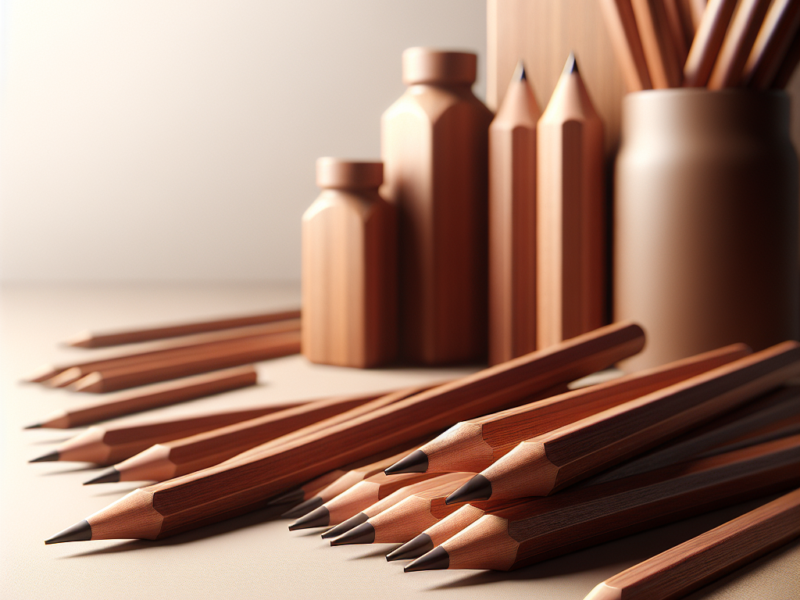
Beginner Guide to Daily Pencil Use and Moisture Control
Whether you’re an artist sketching thumbnails, a teacher annotating lesson plans, or a procurement manager sourcing reliable OEM writing tools, understanding how to use and maintain pencils effectively is crucial. Despite their simplicity, pencils remain indispensable across creative, educational, and industrial settings. Yet, many overlook the importance of proper handling, especially when it comes to sharpening techniques and moisture control.
This beginner guide explores how to incorporate pencils into your daily routine efficiently, while preserving their quality and extending their usability. We’ll cover everything from pencil grades and sharpening methods, to how humidity affects performance. Whether you’re new to pencils or managing their production, you’ll walk away with practical insights and manufacturer-level awareness.
Understanding the Topic & Its Importance
Pencils are more than just a nostalgic writing tool — they are precision instruments used in art studios, classrooms, and industrial design departments. In education, they offer erasability and tactile feedback ideal for learning environments. In art, pencils help artists plan compositions and make subtle value studies. Commercial buyers value them for their reliability and low maintenance in logistics and fieldwork.
From a manufacturing standpoint, pencil performance hinges on the interplay between graphite grade, wood species, and external coatings. Moisture is a silent but significant threat. Wood expands and contracts with humidity, affecting both structural integrity and sharpening consistency. Graphite cores can also become brittle or overly soft when exposed to fluctuating moisture levels. That’s why manufacturers kiln-dry wood slats and seal them with lacquer coatings — not just for aesthetics, but also for dimensional stability.
As one user on Reddit’s r/pencils noted, pencils are a go-to for thumbnail sketching and list-making — tasks that demand reliable, smudge-resistant performance. These everyday applications further emphasize the need for proper storage and usage practices to avoid degradation.
Essential Tools & Pencil Specifications
Understanding the specifications behind a pencil can drastically improve your experience — whether you’re choosing a tool for sketching or selecting a manufacturer for bulk supply.
Pencil grades range from very hard (9H) to very soft (9B). Harder grades (H range) are suited for technical drawing and detailed work, while softer grades (B range) produce darker lines ideal for shading and expressive sketching. HB sits in the middle, making it a popular choice for general writing.
The wood casing plays a significant role. Premium pencils use incense cedar, prized for its straight grain, softness, and sharpening ease. Lower-cost pencils may use basswood or poplar, which are more prone to splintering and inconsistent sharpening. From an OEM standpoint, cedar also offers superior moisture resistance due to its natural oils and stability post kiln-drying.
Sharpening tools vary: handheld sharpeners, crank-style classroom models, and knife sharpening each offer different levels of control. Artists often prefer knives for exposing longer graphite cores, while students might rely on compact sharpeners for convenience. The key is to use a sharp blade and avoid twisting the pencil too forcefully, which can crack the core.
Storage also matters. Pencils should be kept in dry, cool environments. Avoid leaving them in direct sunlight or damp areas like basements, which can warp the wood or soften the graphite. A pencil case with silica gel packets can help regulate internal humidity.
Step-by-Step Techniques or Best Practices
Incorporating pencils into your daily workflow starts with choosing the right grade. For general writing or meeting notes, an HB or F pencil offers a clean, erasable line. If you’re sketching or planning artwork, start with a 2H or 3H to lay down light construction lines, then switch to a softer 2B or 4B for shading.
When sharpening, hold the pencil steady and rotate it evenly in the sharpener. If using a knife, angle the blade away from your body and gently shave the wood down in layers. Over-sharpening can expose too much graphite, making it prone to snapping. Under-sharpening, on the other hand, leads to imprecise lines and poor control.
During use, rotate the pencil slightly every few strokes. This keeps the tip symmetrical and extends its lifespan. Store used pencils tip-up in a holder or case to prevent breakage. After use, wipe the pencil with a soft cloth to remove oils or moisture from your hands that can degrade the lacquer over time.
In humid environments, consider using pencils with a thicker lacquer coating or sealed ends. These features help reduce moisture absorption through the wood grain. For long-term storage, keep pencils in a ventilated container with a few desiccant packs to maintain consistent humidity.
Common Mistakes & Fixes
One of the most common mistakes beginners make is choosing the wrong pencil grade. Using a 6B for note-taking leads to smudges, while drawing with a 4H can scratch the paper. Always match the grade to the task.
Another frequent error is improper sharpening. Dull blades crush the wood, causing splinters and uneven points. This not only affects line quality but can also expose the graphite to air and moisture, accelerating degradation. Use a sharp blade, and replace sharpener blades regularly if you’re a high-volume user.
Storage negligence is another issue. Leaving pencils in a hot car or damp office drawer can cause warping, swelling, or core breakage. The fix is simple: store pencils in a dry, temperature-stable location, ideally in a closed case or drawer with minimal airflow changes.
Finally, many users ignore moisture control entirely. Wood is hygroscopic — it naturally absorbs moisture from the air. This can lead to swelling, lacquer cracking, or internal graphite fractures. If you’re in a high-humidity region, invest in sealed pencil tins or cases with humidity control measures.
Pro Tips & Manufacturer Insight
From a manufacturing perspective, the performance of a pencil is the sum of its materials and how they interact with moisture. Graphite density is carefully calibrated during extrusion; higher density cores offer smoother writing but are more sensitive to impact. Lower density cores are more forgiving but produce lighter marks.
Wood grain orientation also matters. Premium pencils align the grain parallel to the core, reducing breakage during sharpening and use. Manufacturers kiln-dry cedar slats to below 7% moisture content before bonding, ensuring long-term stability. This step is crucial for preventing warping in transit and storage.
Coatings serve both aesthetic and functional roles. A high-gloss lacquer not only improves appearance but also seals the wood against moisture ingress. For OEM buyers, specifying a triple-dip lacquer process can enhance durability in tropical or maritime climates.
Compliance with EN71 (European toy safety standard) and ASTM D4236 (US labeling for art materials) ensures that coatings and cores are non-toxic and safe for children and artists. These certifications are especially important for educational or export markets.
In OEM supply chains, moisture control during transit is a critical factor. Pencils are often shipped in cartons with desiccant packs and stored in climate-controlled warehouses. For bulk buyers, requesting moisture barrier packaging can prevent issues like lacquer bubbling or barrel swelling upon delivery.
Helpful References & Further Reading
Further reading: Real-life pencil use cases and user habits
Further reading: Artists discuss how they use pencils for sketching and planning
Further reading: Storage and sharpening tips from everyday users
Conclusion
Incorporating pencils into your daily routine is both practical and rewarding — whether you’re sketching, writing, or managing inventory. By understanding pencil grades, sharpening techniques, and moisture control, you can significantly extend the life and performance of your tools. From choosing cedar casings to using the right storage methods, each decision plays a role in maintaining pencil integrity.
For OEM buyers, these same principles apply at scale. Ensuring proper material selection, packaging, and compliance can reduce defects and improve customer satisfaction. For end users, a few simple habits — like storing pencils properly and sharpening them correctly — can make a big difference in daily use.
For OEM inquiries, bulk orders, or to request sample kits, please contact our team today.