
Moisture Control and Sharpening Tips Compared
Whether you’re an artist, educator, or procurement specialist, understanding how pencils respond to moisture and how sharpening techniques affect performance can make a significant difference. From sketching precision to product longevity, these factors influence both creative output and operational efficiency.
This guide compares moisture control and sharpening practices across different pencil types, offering practical insights for choosing the right tools, maintaining them effectively, and avoiding common mistakes. Whether you’re sourcing for a school district or refining your studio setup, this article helps you make smarter, more informed decisions.
Understanding the Topic & Its Importance
Moisture control and sharpening may seem like minor concerns, but they directly impact the usability and lifespan of pencils. For artists, a warped wooden pencil can mean inconsistent lines. In educational settings, poorly sharpened pencils break easily, leading to frustration and waste. And for OEM buyers, product quality tied to moisture management can make or break a brand’s reputation.
From a manufacturer’s standpoint, the integrity of a pencil begins with its core materials. Graphite must be blended at the right density to ensure smooth writing or sketching. The wooden casing — typically cedar or basswood — must be dried and treated to avoid swelling or splitting. Coatings add another layer of protection, but if internal moisture isn’t controlled during production, even the best lacquer can’t prevent warping or cracking.
Correct sharpening technique is equally vital. A well-sharpened pencil reveals the graphite cleanly without splintering the wood. This balance depends on the grain direction, blade sharpness, and even the angle of sharpening. For mechanical pencils, precision engineering replaces blade technique, but moisture can still affect the internal mechanism if not properly stored.
Essential Tools & Pencil Specifications
Choosing the right tools starts with understanding pencil types. Traditional wood-cased pencils come in a range of graphite grades, from soft 6B to hard 6H, with HB being the most common for general use. Mechanical pencils offer consistent line width and are favored in drafting or technical drawing settings.
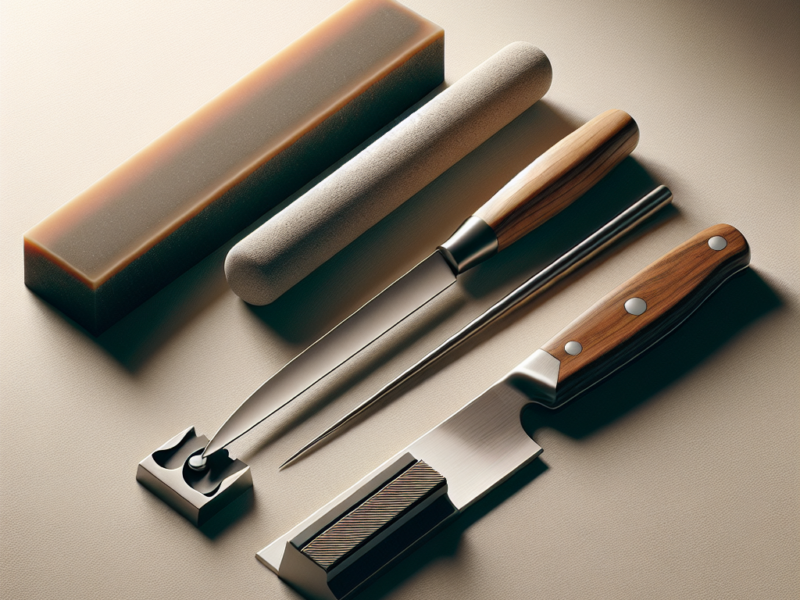
Sharpeners vary in quality and purpose. Manual handheld sharpeners are portable but prone to uneven sharpening if used incorrectly. Crank-style sharpeners offer more control, while electric models are efficient for classrooms or studios. For sketching, a knife or sandpaper block may be preferred for shaping the graphite to a custom point.
Paper quality also plays a role. High-tooth paper grips soft graphite better but can wear down the tip faster. Smooth paper suits harder leads and technical work. Storage is often overlooked — pencils should be kept in a cool, dry place to maintain wood integrity and prevent graphite expansion or contraction.
From a production standpoint, OEM buyers should ask about the kiln-drying process for wood slats, the graphite-to-clay ratio, and coating thickness. These factors influence how pencils react to humidity and how well they sharpen over time.
Step-by-Step Techniques or Best Practices
Start with proper storage. Always keep pencils in a sealed container or pencil case when not in use. Avoid leaving them in humid environments like basements or near windows. Wood naturally absorbs moisture, which can lead to swelling and misalignment of the graphite core. If this happens, sharpening becomes uneven, and breakage increases.
When sharpening wood-cased pencils, rotate the pencil — not the sharpener — to reduce uneven pressure. This preserves the wood casing and keeps the graphite centered. Use a sharp blade or well-maintained sharpener; a dull blade crushes the wood fibers instead of shaving them, leading to splintering and faster tip breakage.
For artists, consider sharpening with a craft knife. This allows you to control the length of the exposed graphite, especially useful for shading. Always cut away from your body and use light, controlled strokes. Finish the point with a sanding block for fine detail work.
Mechanical pencils require less maintenance, but always use the correct lead diameter (e.g., 0.5 mm, 0.7 mm). Store them vertically or in protective cases to prevent internal jamming. Refill with high-quality leads that match the pencil’s intended grade and application.
Lastly, monitor humidity in storage rooms or warehouses. Industrial dehumidifiers or silica gel packs can help maintain ideal conditions, especially in bulk inventory environments.
Common Mistakes & How to Fix Them
One common mistake is over-sharpening. This exposes too much graphite, making it prone to snapping under pressure. To fix this, sharpen only until the graphite is just visible beyond the wood casing — about 3–5 mm is ideal for most writing tasks.
Another issue is using the wrong sharpener for the pencil type. For example, a short-cone sharpener on a soft 4B pencil will waste material and increase breakage. Match the sharpener to the pencil’s hardness and intended use. If unsure, test on a spare pencil to see how the blade interacts with the wood and graphite.
Improper storage is also common. Leaving pencils in a car or near a radiator can dry out the wood, causing it to crack or split during sharpening. If this occurs, the pencil may still be usable, but the structural integrity is compromised. Store pencils in a consistent, moderate climate to prevent this.
For mechanical pencils, forcing the lead when it’s jammed often damages the internal clutch. Instead, remove the lead, clear the barrel with a needle or cleaning rod, and reinsert gently. Always use compatible leads to avoid diameter mismatches.
Pro Tips & Manufacturer Insight
From a manufacturing perspective, moisture control starts at the lumber yard. Wood slats are kiln-dried to a specific moisture content — typically around 6–8% — before being cut and glued around the graphite core. If this step is rushed or skipped, the pencils will warp over time, especially in humid regions.
Graphite density is another key factor. Softer grades like 6B contain more graphite and less clay, making them smoother but more fragile. Harder grades like 4H have higher clay content, resulting in finer lines and longer wear. The binder mix must be consistent to prevent crumbling during sharpening.
Coating durability matters too. A high-quality lacquer not only improves aesthetics but also seals the wood against moisture absorption. In OEM production, we test coatings for adhesion and flexibility, ensuring they don’t chip during sharpening or use. ASTM D4236 and EN71 compliance ensures that all materials are non-toxic and safe for educational use — a must for school contracts and international distribution.
For mechanical pencils, the internal mechanism must be engineered to resist humidity expansion. Plastic and metal components are selected for their dimensional stability. We recommend storing mechanical pencils in humidity-controlled environments, especially before retail packaging or export.
Conclusion
Moisture control and sharpening practices are more than technical details — they’re foundational to pencil performance, user satisfaction, and product longevity. Whether you’re an artist seeking the perfect line, a teacher managing classroom supplies, or a buyer sourcing thousands of units, understanding these elements gives you a clear edge.
By applying the right techniques and choosing quality materials, you reduce waste, improve writing and drawing results, and extend the life of your tools. With proper storage, compatible sharpeners, and attention to material behavior, your pencils — whether wood-cased or mechanical — will perform exactly as needed.
Call to Action
Looking for reliable OEM pencil solutions with proven moisture control and sharpening performance? Contact us today for wholesale pricing, product sampling, or custom manufacturing options tailored to your market needs.