
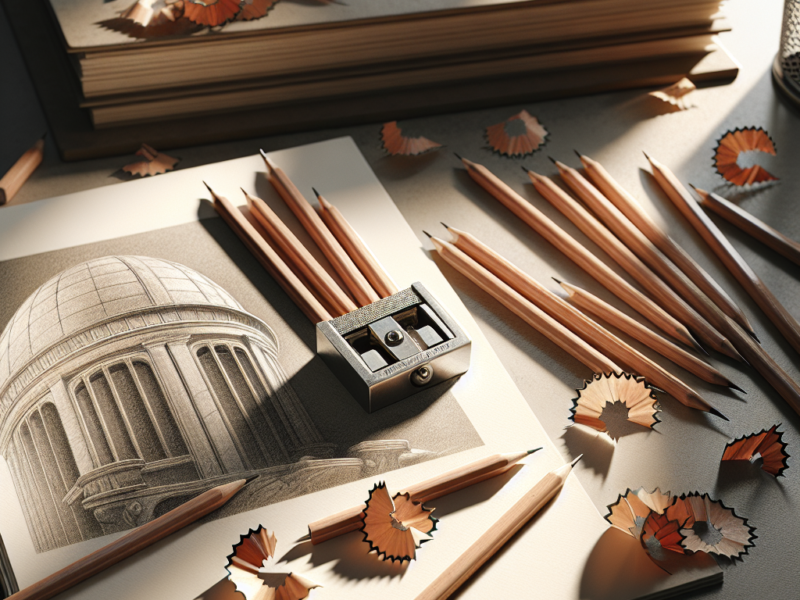
Sharpening Techniques for Sustainable Pencil Shading
In the world of pencil production and office supply distribution, the finer details often determine the difference between a good product and a great one. One such detail—often underestimated—is the sharpening technique. For B2B buyers, school supply importers, and e-commerce sellers focused on quality and sustainability, understanding the connection between sharpening and shading performance is essential. Whether you’re sourcing pencils from HB to 8B or aiming to promote sustainable choices, sharpening plays a pivotal role in user satisfaction and long-term value.
Sharpening is not just a mechanical task; it’s a functional and aesthetic contributor to how a pencil performs, especially in shading applications. From the quality of the graphite core to the wood casing and blade angle, every element affects the final output. This article explores sharpening techniques with a sustainable lens, helping you make informed decisions for your supply chain and customer base.
- Proper sharpening techniques enhance shading precision, especially for graphite grades HB to 8B.
- Sustainable choices in pencil design and sharpening tools reduce waste and improve user experience.
- Manufacturers and distributors should prioritize core alignment, wood quality, and blade sharpness in QC processes.
- Understanding shading basics helps retailers and educators recommend the right tools for artistic and academic use.
Why Sharpening Matters in Pencil Shading
Sharpening directly impacts a pencil’s performance, particularly in shading applications. A clean, centered point allows for consistent pressure and smoother gradients, which is critical when working with graphite ranges like HB to 8B. Artists and students alike rely on a dependable point to achieve both precision and tonal variation.
According to artist Julia Lundman, the act of sharpening is not only functional but also meditative and integral to the creative process. In her article, she emphasizes how sharpening affects control and flow during shading. Read Julia Lundman’s insights on pencil sharpening.
Understanding Graphite Grades: HB to 8B
Graphite pencils are graded from hard (H) to black (B), with HB being a balanced middle point. For shading purposes, softer grades like 2B through 8B are commonly used due to their rich, dark application and blendability. Each grade responds differently to sharpening and shading techniques.
Manufacturers must ensure that the graphite core is centered and uniformly bonded to the wood casing. Misaligned cores break easily during sharpening and frustrate end users. For B2B buyers, verifying this during quality control inspections is key to reducing returns and increasing customer satisfaction.
Shading Basics by Grade
- HB–2B: Best for light shading and writing. Requires a fine point for detail.
- 4B–6B: Ideal for mid-tone shading. Benefits from a slightly rounded tip.
- 8B: Ultra-soft, deep blacks. Needs careful sharpening to avoid breakage.
Sustainable Choices in Pencil Sharpening
As sustainability becomes a priority in school and office supply sourcing, sharpening techniques must align with eco-conscious practices. This includes the use of recyclable or biodegradable pencil materials, long-lasting sharpeners, and waste-reducing designs.
Eco-Friendly Pencil Construction
- Wood: FSC-certified cedar or recycled wood alternatives reduce deforestation.
- Graphite: Non-toxic, clay-bound graphite cores support safer use and disposal.
- Ferrule-free designs: Streamline sharpening and reduce metal waste.
Retailers and distributors should seek OEM partners who prioritize sustainable sourcing and offer customization options to reflect eco-branding. Products that promote long-lasting use—such as pencils that sharpen cleanly without splintering—are more likely to appeal to environmentally conscious consumers.
Sharpening Techniques: Manual vs. Mechanical
The sharpening method influences not only the pencil tip but also how much material is wasted. Choosing the right technique for your market—whether school classrooms or art studios—can improve both performance and sustainability.
Manual Sharpening
- Blade Sharpeners: Offer control and are ideal for artists. Look for dual-hole models for different diameters.
- Knife Sharpening: Preferred by professionals for custom tip shaping. Requires skill and safety training.
Mechanical Sharpening
- Hand-crank Sharpeners: Efficient for high-volume settings like schools. Must be compatible with softer B-grade cores.
- Electric Sharpeners: Fast and consistent, but may over-sharpen soft graphite. Choose models with auto-stop features.
For B2B sourcing, consider offering sharpening kits tailored to different user segments. A bundle of pencils (HB to 8B) with a compatible sharpener adds value for educational and creative retailers.
Quality Control in Pencil Sharpening Performance
In pencil manufacturing, consistent sharpening performance is a critical quality metric. From a factory perspective, this involves rigorous testing of the core-to-wood bond, sharpening resistance, and tip durability. Poorly bonded cores often break during sharpening, leading to customer dissatisfaction and increased waste.
Key QC Factors to Monitor
- Core Centering: Off-center cores cause uneven sharpening and breakage.
- Wood Quality: Soft, splinter-free wood ensures clean sharpening.
- Graphite Hardness: Must match labeled grade for predictable shading results.
Distributors should request sharpening test reports from OEMs, especially when ordering large volumes for institutional or retail use. These reports should include data on breakage rates, sharpening angle consistency, and material yield per pencil.
Tips for Distributors and Retailers
For those selling to schools, artists, or office users, understanding shading basics and sharpening compatibility can enhance product recommendations and increase upsell opportunities.
Best Practices
- Educate customers on the right sharpener for HB to 8B pencils.
- Offer starter kits with shading guides and sharpening tools.
- Highlight sustainable choices in product descriptions and packaging.
Further reading: The Art of Sharpening Pencils by Julia Lundman
Conclusion: Sharpening as a Value-Add in Sustainable Supply
Sharpening techniques are more than an end-user concern—they’re a critical part of the pencil’s lifecycle that affects usability, sustainability, and customer satisfaction. For B2B buyers, understanding the relationship between graphite grade, sharpening method, and shading quality is essential for sourcing high-performing, eco-conscious products.
By partnering with manufacturers who emphasize quality control and sustainable choices, distributors and retailers can offer products that meet the evolving expectations of educational institutions, artists, and environmentally aware consumers.
Ready to Source High-Quality Sustainable Pencils?
We specialize in OEM pencil manufacturing with a focus on shading precision and sustainable materials. Contact our factory team today to request samples or discuss custom bulk orders tailored to your market needs.